


What's Happening?
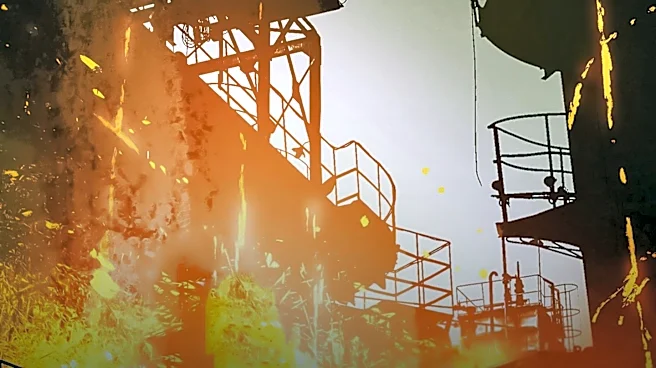
The 1st Brigade of the National Guard of Ukraine 'Azov' has announced the successful completion of 'Operation Hell-2' in the occupied Donetsk region. This operation specifically targeted and destroyed facilities used by Russian troops for storing and supplying
fuel. According to Azov, these strikes were aimed exclusively at military infrastructure, and they do not target civilian gas stations or the civilian population. The military unit had previously warned Russian forces a month prior that their movements were being monitored and that strikes would occur at an opportune moment. Despite this warning, some Russian units reportedly continued to use the territory for fuel storage. Azov released a video showcasing footage of the operation and its aftermath, though specific details regarding the number of targets, weapons used, or other operational specifics were not disclosed. This operation is a continuation of Azov's efforts against Russian military infrastructure in occupied territories.
Why It's Important?
The targeting of Russian fuel infrastructure in Donetsk Oblast is a significant development in the ongoing conflict, as it directly impacts Russia's logistical capabilities and ability to sustain its military operations. Fuel is a critical resource for military vehicles, equipment, and overall troop mobility. By disrupting these supply lines, Ukrainian forces aim to degrade the effectiveness of Russian ground operations, potentially slowing down advances and increasing the operational costs for the Russian military. This strategy aligns with broader efforts to undermine the enemy's warfighting capacity by striking vital rear infrastructure. The emphasis by Azov that their strikes are solely against military targets also serves to differentiate their actions from those of Russian forces, who have been accused of targeting civilian infrastructure, and could influence international perceptions of the conflict.
What's Next?
Following the successful 'Operation Hell-2,' Azov has warned that it will continue to destroy facilities used by the Russian army, indicating further strikes against military infrastructure in occupied territories are likely. This suggests an ongoing strategy to systematically degrade Russian logistical and operational capabilities. The impact of these strikes on Russian military movements and the potential for retaliatory actions from Russia will be closely monitored. The effectiveness of these operations could influence the pace and direction of future combat engagements in the Donbas region. Additionally, the continued focus on military targets by Ukrainian forces may play a role in shaping international support and the narrative surrounding the conflict.
Beyond the Headlines
The 'Operation Hell-2' highlights a critical aspect of modern warfare: the strategic importance of logistics and the vulnerability of supply chains. By focusing on fuel infrastructure, Ukrainian forces are not just engaging in direct combat but are also employing a strategy of attrition designed to cripple the enemy's ability to wage war. This approach has broader implications for military doctrine, emphasizing the need for robust and resilient supply networks in conflict zones. Furthermore, Azov's explicit statement about not targeting civilian infrastructure underscores the ethical dimensions of warfare and the ongoing struggle for moral high ground in international conflicts. This distinction is crucial for maintaining international legitimacy and support, especially when facing accusations of war crimes or indiscriminate attacks.