


What's Happening?
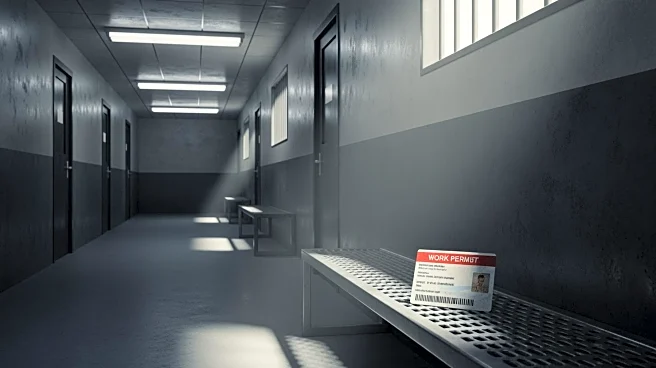
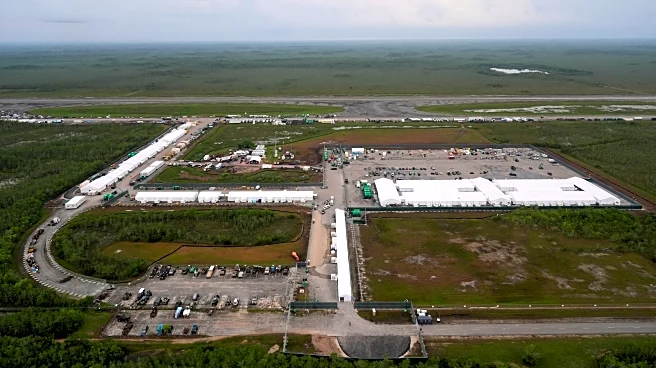
Seamus Culleton, an Irishman married to a U.S. citizen, has been detained by U.S. Immigration and Customs Enforcement (ICE) for five months despite having a pending green card application. Culleton, who immigrated to the U.S. in 2009, is being held at Camp
East Montana, a detention facility on the Fort Bliss Army base. His detention is part of the Trump administration's strict enforcement efforts targeting individuals who have overstayed their visas. Culleton's attorney, Ogor Okoye, argues that ICE has the power to allow him to attend interviews with U.S. Citizenship and Immigration Services to confirm his green card status. Homeland Security Assistant Secretary Tricia McLaughlin stated that Culleton received due process and has been ordered removed by a judge. Culleton, who has no criminal record, disputes the government's claim of a final removal order.
Why It's Important?
Culleton's case highlights the complexities and challenges faced by immigrants navigating the U.S. immigration system, particularly under the Trump administration's stringent policies. The situation underscores the tension between immigration enforcement and the rights of individuals with pending legal status applications. The detention of individuals like Culleton, who have strong ties to the U.S., raises questions about the balance between national security and humanitarian considerations. The outcome of this case could have implications for other immigrants in similar situations and influence public perception of immigration policies.
What's Next?
Culleton's legal team may continue to challenge his detention and seek his release through the courts. The case could prompt further scrutiny of ICE's detention practices and the treatment of individuals with pending immigration applications. As the Trump administration continues its enforcement efforts, similar cases may arise, potentially leading to legal challenges and calls for policy reform. The broader debate over immigration policy is likely to persist, with potential implications for future legislative actions and the 2026 midterm elections.