

What's Happening?
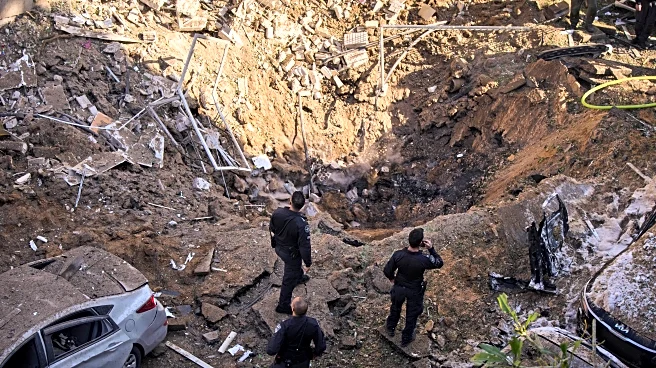
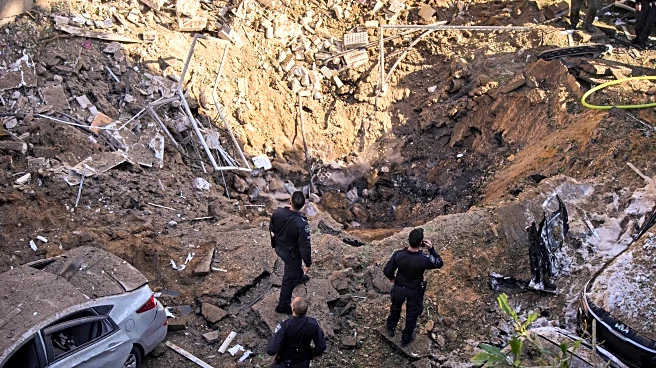
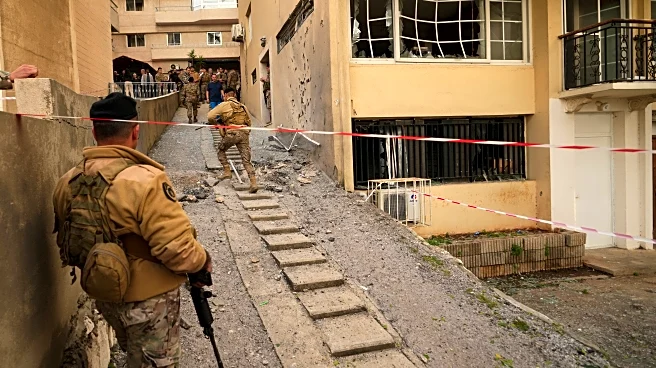
Avichai Stern, the mayor of Kiryat Shmona, a northern Israeli city, has publicly criticized the Israeli government for failing to adequately protect the city's residents from ongoing Hezbollah attacks. During a meeting with government officials, Stern expressed
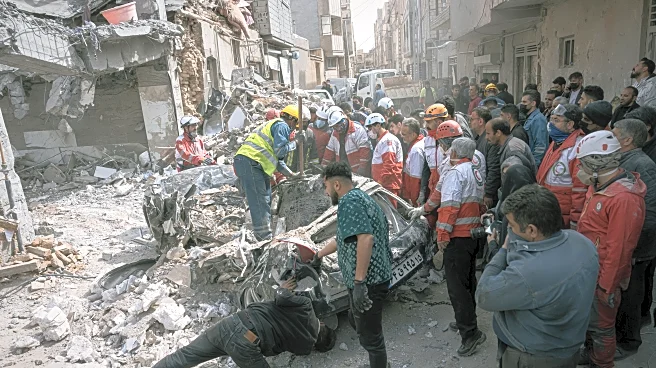
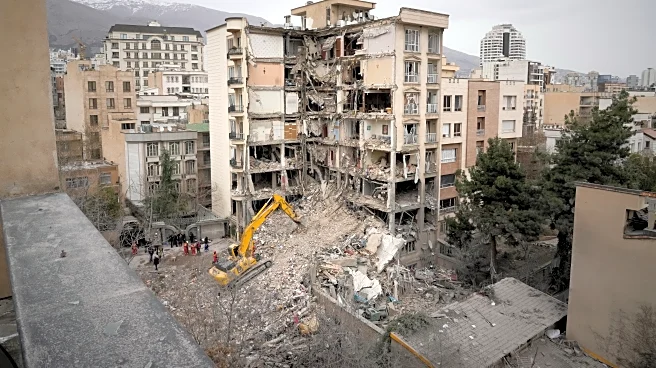
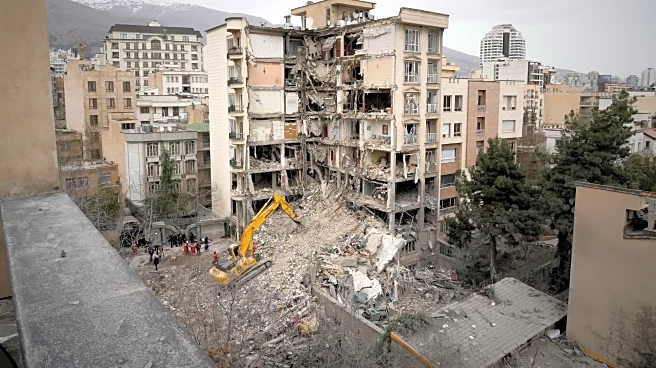
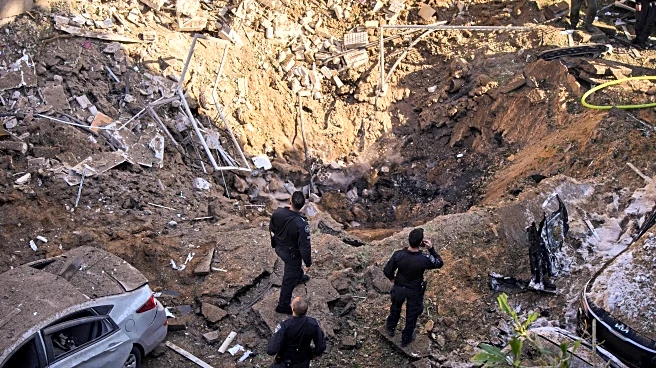
frustration over the lack of bomb shelters and fortifications, which has left many residents vulnerable. The city, which was evacuated following Hezbollah attacks in late 2023, has struggled to recover, with many residents still reluctant to return. Stern highlighted the dire situation, noting that many housing units lack proper bomb shelters, forcing residents to spend significant time in inadequate protection. The government has been aware of these deficiencies for decades, yet little has been done to address them. Stern's comments reflect a broader dissatisfaction among northern Israeli residents who feel neglected by the government.
Why It's Important?
The situation in Kiryat Shmona underscores the broader challenges faced by northern Israel amid ongoing conflicts with Hezbollah. The lack of adequate protection for residents not only poses immediate safety risks but also threatens the long-term viability of the region. The government's perceived inaction could lead to further depopulation and economic decline, exacerbating existing vulnerabilities. This issue also highlights the complexities of Israel's security landscape, where multiple fronts require attention and resources. The criticism from local leaders like Stern may pressure the government to prioritize northern Israel's security needs, potentially leading to increased investment in infrastructure and defense measures. However, the ongoing conflict with Hezbollah and broader geopolitical tensions complicate these efforts, making it difficult to ensure the safety and stability of affected communities.
What's Next?
In response to Stern's criticism, the Israeli government may face increased pressure to address the security needs of Kiryat Shmona and other northern regions. This could involve allocating more resources for bomb shelters and fortifications, as well as developing comprehensive plans to support the area's recovery and resilience. The situation may also prompt further discussions within the government and among international allies about the strategic importance of northern Israel and the need for sustained support. Additionally, the ongoing conflict with Hezbollah and the broader regional dynamics will likely continue to influence the government's priorities and actions. Stakeholders, including local leaders, philanthropic organizations, and international partners, may play a crucial role in advocating for and implementing solutions to enhance the safety and well-being of northern Israeli communities.
Beyond the Headlines
The challenges faced by Kiryat Shmona highlight deeper issues related to regional inequality and government accountability in Israel. The disparity in protection and resources between northern and central Israel raises questions about the equitable distribution of government support and the prioritization of different regions. This situation also reflects broader societal tensions, as residents of less affluent areas often feel marginalized and neglected by national policies. The ongoing conflict with Hezbollah further complicates these dynamics, as security concerns intersect with social and economic issues. Addressing these challenges requires a holistic approach that considers not only immediate security needs but also long-term development and integration strategies. The situation in Kiryat Shmona serves as a reminder of the complex interplay between security, governance, and social equity in conflict-affected regions.