







What's Happening?
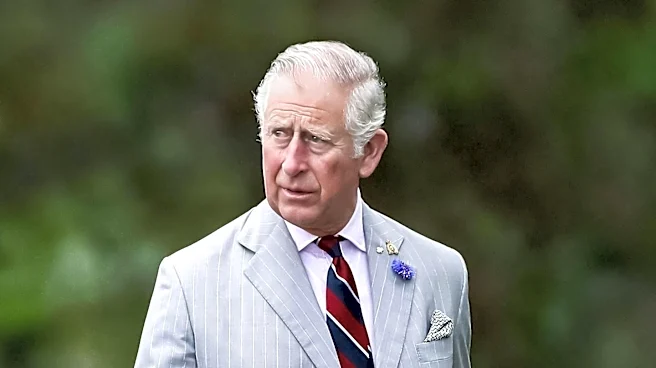
Royal author Andrew Morton has stated that King Charles 'got it wrong' by issuing a swift statement in response to claims made in Earl Charles Spencer's new memoir, 'Swan Song: Diana, My Sister'. The book contains allegations that King Charles, then Prince
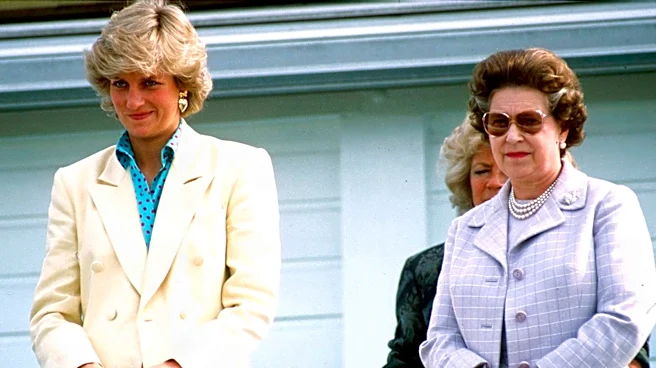
of Wales, was 'giddily excited' following Princess Diana's death and suggested she would be 'forgotten soon enough'. Buckingham Palace released a statement asserting that while they do not comment on books, His Majesty is 'mindful that the pain of fraternal grief can cloud reason, affect judgment and colour memory'. Morton believes that sensible courtiers would have advised the King to 'Hang fast' as 'these things will pass', suggesting the statement was a direct reflection of the King's anger and was 'written for an audience of one'. The Earl has since accused the King of 'gaslighting' him in response to the Palace's statement. The memoir has also faced scrutiny for factual inaccuracies, particularly regarding Piers Morgan's involvement in publishing photos of Princess Diana.
Why It's Important?
This development is important as it highlights ongoing tensions within the British Royal Family and the challenges of managing public perception, especially concerning historical events. The King's decision to issue a statement, a departure from the usual royal policy of not commenting on books, underscores the perceived severity of Earl Spencer's allegations. This public dispute could impact the monarchy's image, particularly as it navigates a period of transition and seeks to maintain public support. The accusations of 'gaslighting' further escalate the conflict, potentially drawing more media attention and public debate about the Royal Family's past actions and current responses. For the public, it reopens discussions about Princess Diana's legacy and the circumstances surrounding her death, which remain sensitive topics. The controversy also raises questions about the credibility of historical accounts and memoirs, especially when they involve high-profile figures and personal recollections.
What's Next?
The immediate future may see continued public discussion and media analysis of Earl Spencer's memoir and the Royal Family's reaction. Earl Spencer has indicated he will edit future editions of his book to correct factual errors, which could influence public perception of his claims. Royal commentators and biographers are likely to offer further insights and opinions on the matter, potentially fueling more debate. The Palace may choose to maintain its stance of not commenting further on the book, or it could face pressure to address the 'gaslighting' accusation more directly. The ongoing treatment of King Charles for cancer adds another layer of sensitivity, with some critics questioning the timing of the memoir's release. The situation could also prompt other individuals who were present during the events described to come forward with their own recollections, potentially corroborating or refuting Spencer's claims.
Beyond the Headlines
Beyond the immediate controversy, this event touches upon deeper themes of memory, grief, and historical narrative within prominent families. The differing recollections of highly emotional events, particularly those involving public figures, highlight the subjective nature of personal history and the challenges of establishing a definitive truth. The public's reaction to the memoir and the Palace's response also reflects evolving attitudes towards the monarchy and the demand for transparency and accountability. The use of terms like 'gaslighting' in a royal context signifies a shift in how public figures are scrutinized and how personal narratives are interpreted. This incident could contribute to a broader re-evaluation of how the Royal Family handles personal revelations and historical accounts, potentially influencing future communication strategies and public engagement. It also underscores the enduring power of Princess Diana's story and its continued impact on the British monarchy.