






What's Happening?
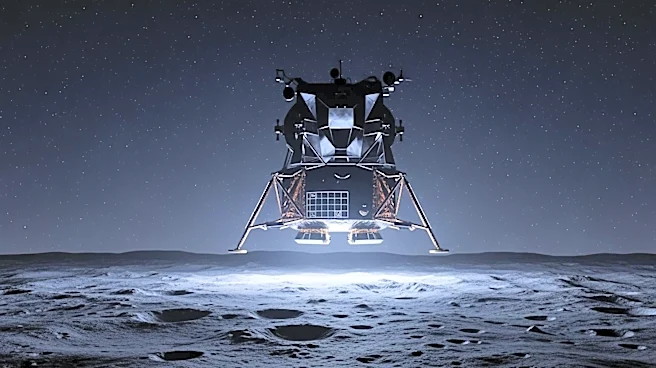
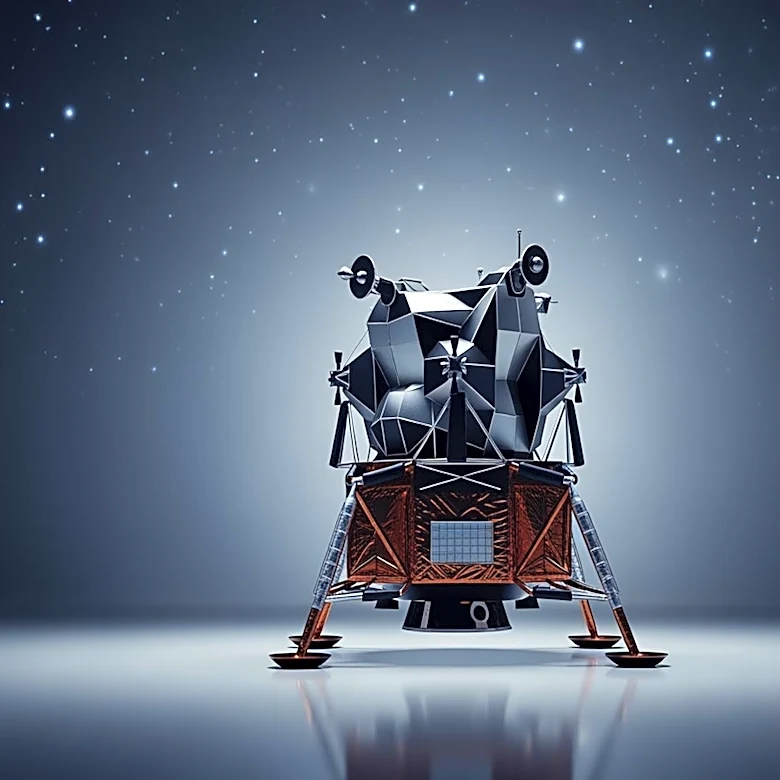
On May 22, 1969, the Apollo 10 mission, a critical precursor to the historic Apollo 11 Moon landing, achieved a significant milestone. The mission's Lunar Module, affectionately named 'Snoopy,' was navigated by Commander Tom Stafford and Lunar Module Pilot
Gene Cernan to its closest approach to the Moon, approximately 9 miles above the Sea of Tranquility. This mission served as a comprehensive rehearsal for the subsequent Moon landing, testing all systems of the Lunar Module, including radar, flight control, and docking procedures. The crew also conducted 19 live color TV broadcasts and gathered essential data on the Moon's gravitational effects. After completing its objectives, the Snoopy module was jettisoned, with its descent module entering lunar orbit and the ascent stage reaching a solar orbit. The Apollo 10 crew safely returned to Earth on May 26, 1969, marking the mission as a success and setting the stage for Apollo 11's historic landing.
Why It's Important?
The Apollo 10 mission was crucial in ensuring the success of the Apollo 11 Moon landing. By testing all aspects of the lunar landing process, except for the actual landing, Apollo 10 provided NASA with invaluable data and confidence in their systems and procedures. This mission demonstrated the feasibility of a manned lunar landing and return, addressing potential challenges and refining techniques that would be used in Apollo 11. The success of Apollo 10 reassured both NASA and the public of the viability of the United States' lunar ambitions, reinforcing the country's leadership in space exploration during the Cold War era. The mission's achievements also contributed to advancements in space technology and exploration strategies, influencing future missions and the broader field of space science.