





What's Happening?
Israeli Prime Minister Benjamin Netanyahu has accepted an invitation to visit Hungary, despite the country's incoming leadership signaling a return to the International Criminal Court (ICC). This move raises concerns about Netanyahu's potential arrest
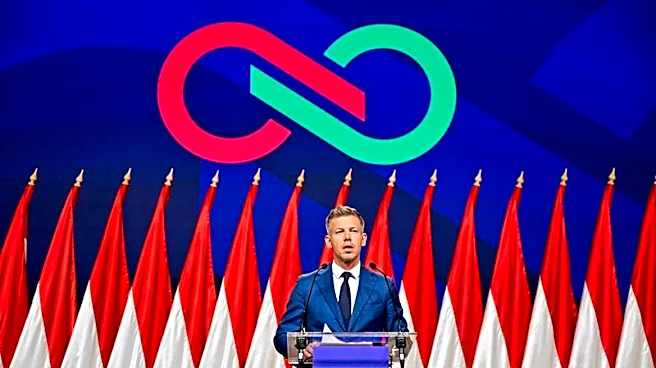
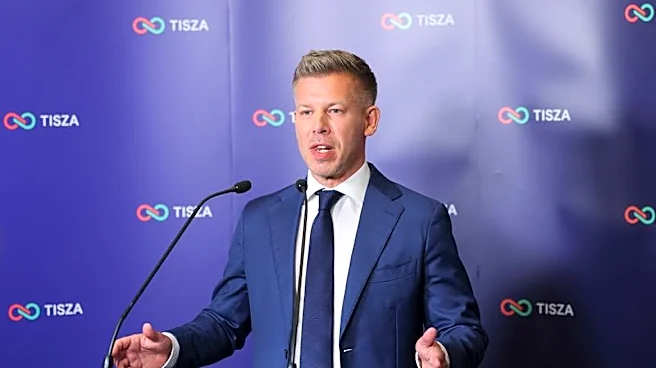
due to an outstanding international warrant. In a recent call with Hungary's prime minister-elect, Peter Magyar, Netanyahu discussed maintaining strong bilateral ties and agreed to attend a ceremony marking the 70th anniversary of the Hungarian uprising. However, Netanyahu is expected to demand guarantees of immunity from arrest before confirming his visit, as Hungary's rejoining of the ICC could pose legal risks for him.
Why It's Important?
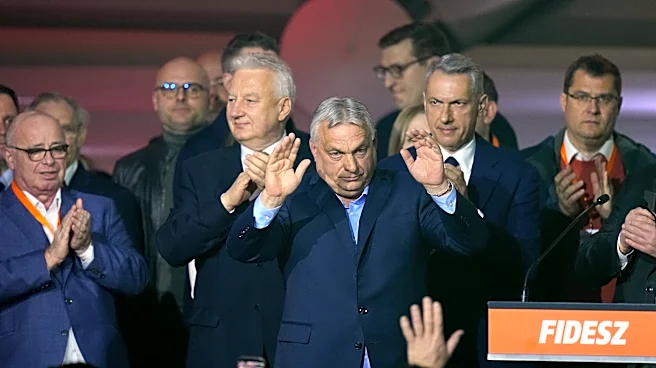
Netanyahu's planned visit to Hungary amid ICC concerns underscores the complex diplomatic relations between Israel and Hungary. The potential legal risks for Netanyahu highlight the challenges faced by political leaders with international warrants. This situation also reflects the broader geopolitical dynamics, as Hungary's decision to rejoin the ICC marks a shift from the policies of outgoing Prime Minister Viktor Orban. The outcome of this diplomatic engagement could influence Israel's international standing and its relations with other countries considering similar legal actions.
What's Next?
Netanyahu's visit to Hungary is contingent upon receiving assurances of immunity from arrest. Diplomatic negotiations are likely to continue, with both countries' foreign ministers expected to meet soon to discuss bilateral relations. The outcome of these discussions could set a precedent for how countries handle international legal obligations while maintaining diplomatic ties. Additionally, Netanyahu's visit could impact Hungary's domestic politics, as the new leadership navigates its relationship with Israel and the ICC.