





What's Happening?
The U.S. State Department is maintaining its Level 4 'Do Not Travel' advisory for Uganda, its strongest warning for American visitors. This advisory, dated June 4, 2026, cites concerns including crime, terrorism, health issues, and unrest. The designation
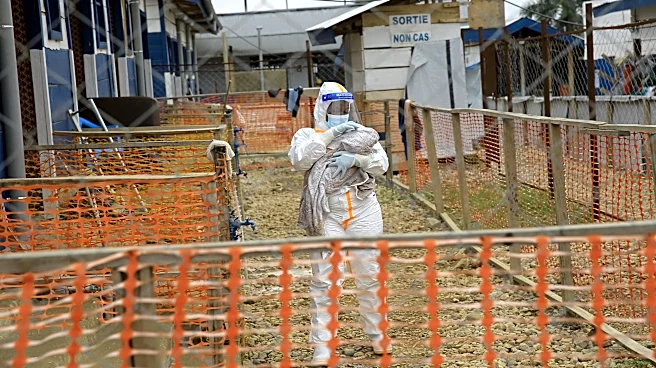
has been in place since May 17, 2026, when it was raised from Level 3 due to an Ebola outbreak. Despite Ugandan health authorities declaring the Ebola outbreak over on July 28, 2026, the U.S. advisory has not been lowered. Tourism operators in Uganda, such as Amos Wekesa and Rodgers Akampurira, are challenging this continued designation, arguing it unfairly damages the country's tourism industry and leads to significant financial losses from safari cancellations and refund demands. They contend that the advisory presents an excessively negative picture of the entire destination, overlooking areas that remain safe for visitors.
Why It's Important?
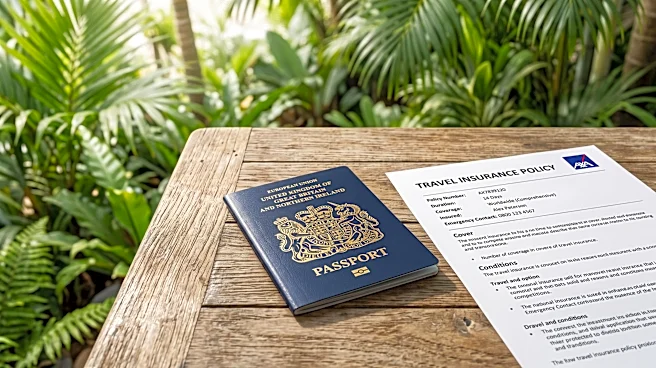
The persistent Level 4 advisory has significant implications for U.S. citizens planning travel to Uganda and for the Ugandan tourism industry. For American travelers, it means that some travel insurance policies may limit or exclude coverage for medical expenses, evacuation, or trip interruptions in Level 4 destinations, necessitating careful review of their policies. The advisory also impacts the financial viability of Ugandan tourism businesses, which rely heavily on international visitors. The industry's challenge highlights a common tension between government travel warnings, which prioritize citizen safety, and the economic interests of affected countries. The U.S. assessment considers a range of risks beyond just health, including security concerns like terrorism and violent crime, and limited U.S. capacity for emergency consular services, making a simple resolution based on the end of the Ebola outbreak unlikely.
What's Next?
The U.S. State Department has not indicated any immediate plans to lower Uganda's travel advisory rating, suggesting that the Level 4 status will likely remain in place for the foreseeable future. Ugandan tourism stakeholders are expected to continue their advocacy efforts to persuade the U.S. government to reassess the advisory, potentially by emphasizing the safety of specific tourist areas and the economic impact of the current designation. Travelers with existing bookings to Uganda will need to consult their insurance providers to understand their coverage limitations and consider the U.S. government's guidance. The situation also underscores the ongoing need for U.S. citizens to stay informed about travel advisories and to make informed decisions based on comprehensive risk assessments, rather than solely on the operational status of tourist attractions.
Beyond the Headlines
The U.S. travel advisory for Uganda reflects a complex interplay of geopolitical considerations, public health concerns, and human rights issues. Beyond the immediate risks of crime and terrorism, the advisory also highlights the legal environment for LGBTQ+ travelers, citing Uganda's 2023 Anti-Homosexuality Act, which criminalizes same-sex relations and carries severe penalties. This aspect adds a layer of ethical and legal concern for U.S. citizens, as the laws apply to visitors and residents alike, raising risks of arrest, harassment, or violence. The advisory thus serves as a comprehensive warning that extends beyond physical safety to encompass legal and social risks, reflecting a broader U.S. foreign policy stance on human rights and citizen protection abroad. The differing assessments by other governments, such as Australia and Britain, further illustrate the subjective nature of travel advisories and the varied criteria used by nations to evaluate international travel risks.