





What's Happening?
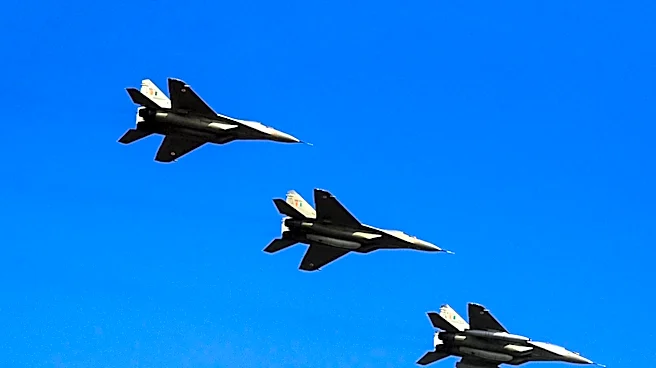
Poland is currently in negotiations to transfer two MiG-29 fighter jets to Ukraine. In exchange, Poland seeks to acquire advanced Ukrainian drone detection technologies, particularly acoustic systems capable of identifying enemy drones by their engine
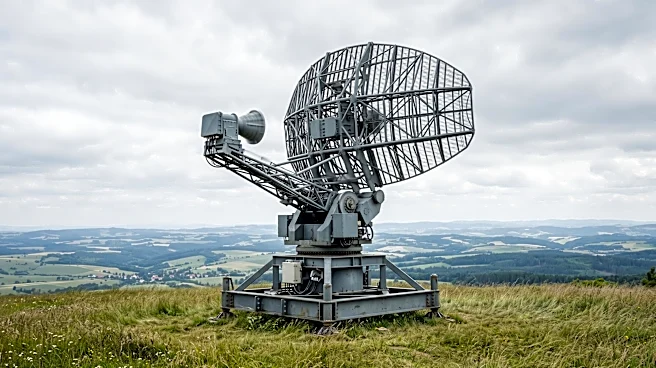
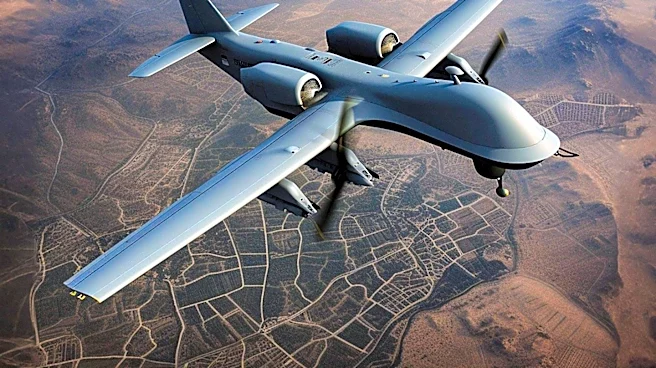
sounds. These Ukrainian systems, developed by the company Zvook, are already undergoing testing in Poland. The Polish military is prioritizing technologies that have demonstrated effectiveness in combat conditions against Russian reconnaissance and strike UAVs. This exchange could also include specific Ukrainian long-range strike UAVs and counter-drone systems. Polish Deputy Minister of National Defence Cezary Tomczyk has been involved in demonstrations of these acoustic systems in Ustka, Poland, where their capabilities were presented by Zvook's Polish partners, DGT Sp. z o.o. Zvook's technology utilizes artificial intelligence to detect various aerial targets, including cruise missiles, UAVs, helicopters, and aircraft, with a reported false alarm rate below 2%.
Why It's Important?
This potential exchange highlights Poland's urgent need to bolster its air defense capabilities against drone threats, especially along its eastern border with Belarus and the Kaliningrad corridor. The acquisition of combat-proven Ukrainian technology would provide Poland with a crucial passive acoustic early-warning layer, which can operate effectively where traditional radar and radio-frequency detection systems may be insufficient. For Ukraine, the transfer of MiG-29s would enhance its air force capabilities, while the technology exchange signifies a recognition of its battlefield innovations. This collaboration underscores a growing trend among NATO allies to integrate lessons and technologies from ongoing conflicts to rapidly improve their defense postures. The focus on acoustic detection systems also indicates a shift towards more diverse and layered air defense strategies to counter evolving drone warfare tactics.
What's Next?
Poland aims to rapidly deploy these combat-tested drone detection systems within months, rather than years, indicating a fast-tracked procurement and integration process. Joint working groups established by the Ukrainian and Polish defense ministries will focus on integrating Ukraine's combat experience into the Polish Armed Forces, ensuring practical application of the acquired technologies. While the final list of technologies Ukraine may transfer to Poland is still being coordinated, the ongoing tests and high-level engagement suggest a strong commitment from both sides to finalize the agreement. The successful implementation of these systems in Poland could also serve as a model for other NATO members looking to enhance their drone defense capabilities, potentially leading to broader adoption of Ukrainian-developed technologies.
Beyond the Headlines
The urgency with which Poland is pursuing these technologies reflects a broader strategic concern within NATO regarding the proliferation and effectiveness of drone warfare. The emphasis on acoustic detection, which is less susceptible to electronic jamming than radar or RF systems, points to an evolving understanding of modern aerial threats. This collaboration also signifies a deeper integration of Ukrainian combat experience into European defense planning, moving beyond traditional military aid to a more reciprocal exchange of capabilities and knowledge. The development of compact tactical acoustic detectors for front-line use, capable of detecting even fiber-optic controlled FPV drones, highlights the innovative solutions emerging from the conflict, which could redefine short-range air defense strategies and counter-UAV tactics globally.