







What's Happening?
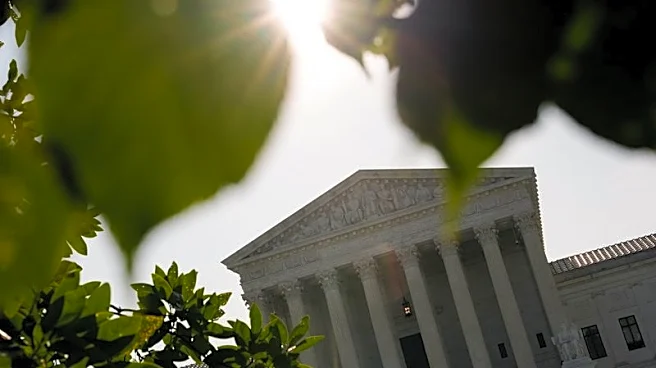
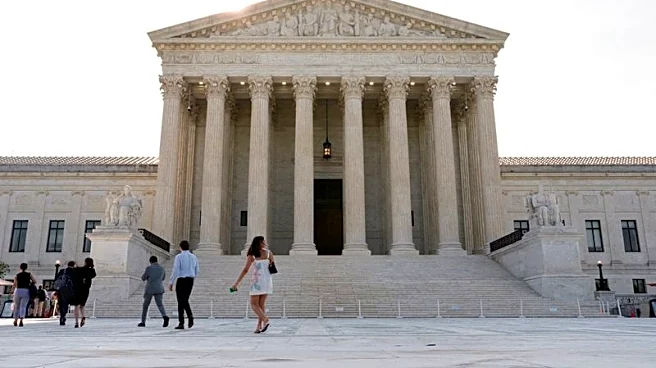
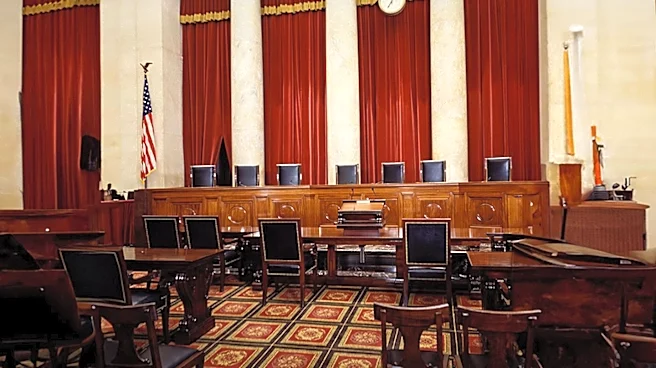
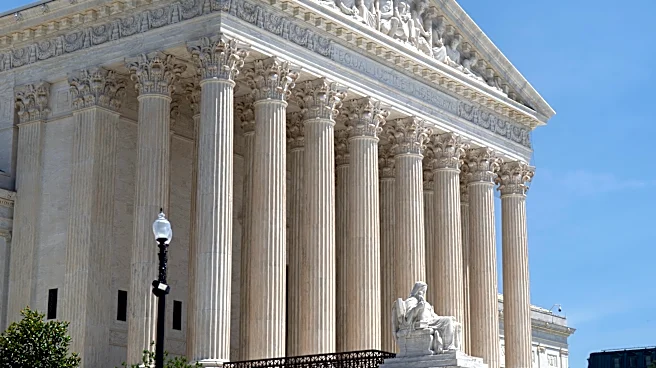
The U.S. Supreme Court has issued a landmark decision in the case of Trump v. Slaughter, fundamentally altering the structure of independent federal agencies. The ruling overturns the precedent set by Humphrey’s Executor v. United States, which had protected
members of independent agencies from being removed by the president without cause. Chief Justice John Roberts, writing for the court, stated that all agency heads, except those of the Federal Reserve, are now subject to at-will removal by the president. This decision affects multi-member independent agencies such as the Federal Trade Commission, Federal Communications Commission, and others, allowing the president to dismiss members at any time. The ruling is expected to lead to significant personnel changes and potential chaos within these agencies, as the president can now remove minority party members, potentially leaving some agencies without a quorum to operate.
Why It's Important?
This decision has significant implications for the regulatory landscape in the United States. By allowing the president to remove agency members at will, the ruling increases the potential for political influence over regulatory bodies that were previously insulated from such pressures. This could lead to more rapid shifts in regulatory priorities aligned with presidential election cycles, affecting long-term planning for businesses and other stakeholders. The decision also opens new avenues for political advocacy, as regulated parties may now need to engage more directly with the White House and cabinet-level agencies. The ruling could lead to increased litigation over the constitutionality of statutory partisan-balance requirements for multi-member agencies, further complicating the regulatory environment.
What's Next?
In the wake of the Supreme Court's decision, there may be a wave of dismissals of minority party members from independent agencies, potentially leading to operational disruptions. The administration will need to act swiftly to nominate and confirm new members to maintain agency functionality, especially with upcoming midterm elections that could shift Senate control. Additionally, there may be legal challenges regarding the application of the ruling to other congressionally chartered entities and non-Article III courts. Regulated entities will need to closely monitor these developments and adapt their strategies to navigate the evolving regulatory landscape.