




What's Happening?
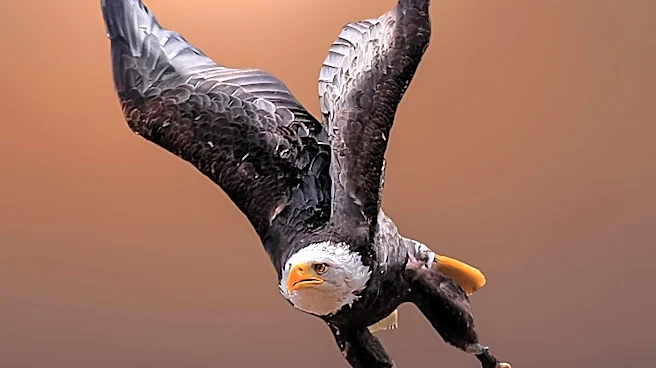
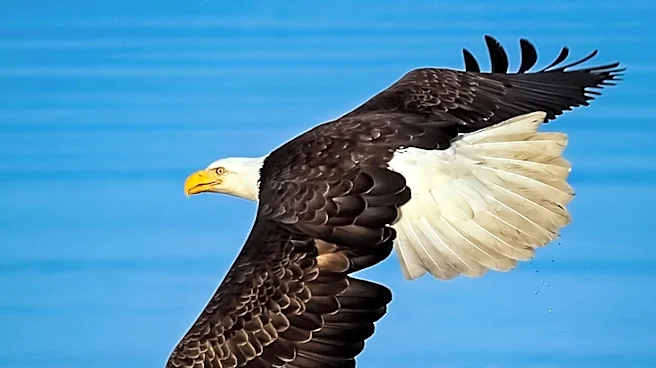
Athens Mayor Larry Eaton successfully intervened to prevent the euthanasia of Phoenix, a rescued bald eagle. The U.S. Fish and Wildlife Service had initially ordered the bird, which sustained severe injuries including a fractured wing, to be euthanized
within seven days. Phoenix has been under the care of Owl Ridge Raptor Center since April 7, where she underwent surgery at the University of Tennessee and subsequent physical therapy. Despite her inability to return to the wild due to a drooping left wing, her veterinarian, T.A. Haig, concluded that Phoenix has adapted well to captivity and is a suitable candidate for permanent placement. Mayor Eaton, who previously assisted in another eagle rescue, wrote to federal officials urging them to reconsider, emphasizing the importance of protecting the national emblem. Following his intervention, the U.S. Fish and Wildlife Service reversed its decision, stating they are no longer recommending euthanasia and will explore other options for the eagle's care.
Why It's Important?
This case highlights the complex intersection of wildlife conservation, federal regulations, and local advocacy. The initial federal order for euthanasia, despite a veterinarian's assessment of the eagle's adaptability to captivity and the availability of a permanent home, raises questions about the flexibility and interpretation of wildlife management policies. Mayor Eaton's successful intervention underscores the power of local leadership and public outcry in influencing federal decisions, particularly when they involve iconic species like the bald eagle. The outcome ensures the continued life of an injured animal and potentially sets a precedent for similar cases, encouraging a more nuanced approach to wildlife rehabilitation and placement rather than automatic euthanasia for non-releasable animals. It also brings attention to the dedicated work of raptor rehabilitation centers.
What's Next?
The U.S. Fish and Wildlife Service will now actively explore alternative options for Phoenix's continued care, moving away from the euthanasia recommendation. This will likely involve working with Owl Ridge Raptor Center to secure a suitable permanent home for the eagle, as the center has already identified one. Mayor Eaton has also requested complete documentation from the federal government to understand the rationale behind their initial decision, which could lead to a review of their protocols for handling injured wildlife. This situation may prompt broader discussions within federal agencies regarding the criteria for euthanasia versus long-term care for non-releasable animals, especially those with significant symbolic value. The ongoing care and placement of Phoenix will be closely monitored by advocates and the public.
Beyond the Headlines
This incident delves into the ethical considerations surrounding wildlife management and the balance between natural processes and human intervention. While the U.S. Fish and Wildlife Service's initial stance might have been based on standard protocols for animals deemed non-releasable, the public and veterinary response highlights a desire for more compassionate and individualized approaches, especially for species with cultural significance. The case also touches upon the role of scientific expertise versus administrative decisions, as the veterinarian's assessment was initially disregarded. The resolution, driven by advocacy, suggests a potential shift towards greater collaboration between federal agencies, local governments, and wildlife rehabilitation experts to ensure the best possible outcomes for injured wildlife, even if they cannot return to the wild. It underscores the emotional connection many people have to wildlife and the importance of their protection.