


What's Happening?
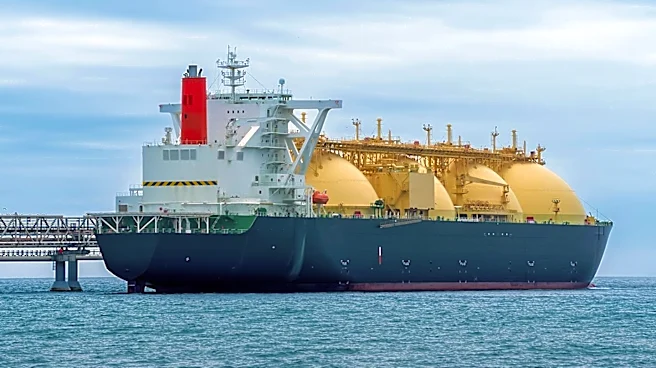
Commissioner Laura DiBella of the U.S. Federal Maritime Commission (FMC) has emphasized the critical role of responsibly sourced, American-made bio-LNG as a viable alternative fuel for achieving emissions reductions in the maritime sector. Her statement
addresses the Net-Zero Framework (NZF) currently under consideration by the International Maritime Organization (IMO), which aims for net-zero emissions by 2050. DiBella argues that the current NZF proposal is flawed because it attempts to shift shipping away from the global petroleum system through regulation rather than market forces, and it risks limiting alternative fuel options. She stresses that any effective emissions reduction initiative must be explicitly linked to the demonstrated viability and realistic availability of alternative fuels, ensuring affordability, global availability, and scalability. The Commissioner highlights that bio-LNG, produced from organic agricultural waste, can leverage existing LNG infrastructure and the growing global fleet of LNG-fueled vessels, potentially supplying over 60% of global maritime fuel by 2050. The United States is a leading exporter of LNG, with capacity projected to double by 2030.
Why It's Important?
This stance from a U.S. Federal Maritime Commissioner underscores a significant concern regarding the economic impact of international maritime emissions regulations on American consumers and the shipping industry. By advocating for bio-LNG, Commissioner DiBella is pushing for a framework that supports U.S. energy exports and leverages existing infrastructure, potentially preventing increased costs that could be passed on to consumers. The U.S. position as a global leader in LNG exports means that the recognition and inclusion of American-made bio-LNG in international standards could significantly benefit the U.S. energy sector and its economy. If the IMO's framework limits fuel options or imposes rigid implementation dates without considering fuel availability and affordability, it could lead to 'run-away costs' for the shipping industry, ultimately affecting the prices of goods imported and exported by the U.S. This advocacy aims to ensure that environmental goals are met without undermining economic stability or hindering the competitiveness of U.S. industries.
What's Next?
The ongoing discussions at the International Maritime Organization (IMO) regarding the Net-Zero Framework will be crucial. Commissioner DiBella's statement indicates that the U.S. will likely continue to advocate for the inclusion of a broader range of alternative fuels, particularly bio-LNG, within any international emissions reduction standards. This will involve diplomatic efforts to influence the IMO's final framework to ensure it aligns with U.S. economic interests and energy capabilities. Stakeholders in the U.S. energy sector, particularly those involved in LNG and bio-LNG production, will be closely monitoring these developments, as the outcome could significantly impact investment and market opportunities. The shipping industry will also be watching to see if the final regulations provide sufficient flexibility and support for a transition to alternative fuels that is both environmentally effective and economically sustainable. The debate will likely center on balancing ambitious climate goals with practical considerations of fuel supply, infrastructure, and cost.
Beyond the Headlines
The debate over maritime fuel standards extends beyond immediate economic and environmental concerns, touching upon broader issues of energy independence and technological innovation. By promoting American-made bio-LNG, the U.S. is not only seeking to mitigate consumer costs but also to position itself as a leader in sustainable energy solutions for global shipping. This approach could stimulate further investment in bio-LNG production and related infrastructure within the U.S., fostering job creation and technological advancements in renewable energy. Furthermore, the emphasis on 'responsibly sourced' bio-LNG highlights a growing global demand for sustainable and ethically produced fuels, which could set new precedents for international trade and environmental governance. The outcome of these discussions at the IMO could influence future international agreements on climate change, demonstrating how specific industry regulations can have far-reaching implications for global energy markets and environmental policy.