


What's Happening?
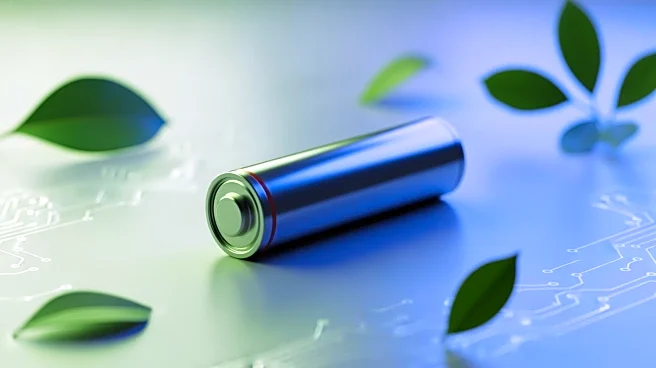
Concordia University is hosting a seminar as part of its CME Seminar Series Winter 2026, focusing on sustainable lithium-ion battery production. The event, scheduled for January 19, 2026, will feature Dr. Atiyeh Nekahi, who will discuss the zero-waste
and net-zero emission synthesis of LiFePO₄ and LiMnxFe1-xPO4 cathodes. Dr. Nekahi, with a background in materials science and engineering, aims to present an integrated pathway for developing high-performance lithium iron phosphate (LFP) chemistry. Her research addresses the environmental impact of LFP production, including energy consumption, carbon emissions, and waste generation, while exploring opportunities for lithium recovery and reuse. The seminar will highlight the potential for producing high-performance LFP and LMFP cathodes with a sustainable, low-emission, and waste-reducing approach.
Why It's Important?
The seminar's focus on sustainable lithium-ion battery production is significant as it addresses the growing demand for environmentally friendly energy storage solutions. Lithium-ion batteries are crucial for various applications, including electric vehicles and renewable energy systems. By advancing zero-waste and net-zero emission production methods, the research could lead to more sustainable manufacturing processes, reducing the environmental footprint of battery production. This development is particularly relevant as industries and governments worldwide seek to transition to cleaner energy sources and reduce carbon emissions. The potential for lithium recovery and reuse also presents economic benefits by minimizing resource depletion and lowering production costs.
What's Next?
Following the seminar, further research and collaboration may be pursued to refine and implement the sustainable production methods discussed. Industry stakeholders, including battery manufacturers and environmental organizations, may take interest in these findings to enhance their sustainability practices. Additionally, policymakers could consider supporting initiatives that promote sustainable battery production, aligning with broader environmental goals. The seminar may also inspire further academic research and partnerships aimed at advancing green technologies in the energy sector.
Beyond the Headlines
The shift towards sustainable lithium-ion battery production could have broader implications for the energy industry and environmental policy. As the demand for clean energy solutions grows, innovations in battery technology could drive significant changes in how energy is stored and utilized. This transition may also influence regulatory frameworks, encouraging stricter environmental standards and incentivizing sustainable practices. Furthermore, the research could contribute to a cultural shift towards more responsible consumption and production patterns, emphasizing the importance of sustainability in technological advancements.