
What's Happening?
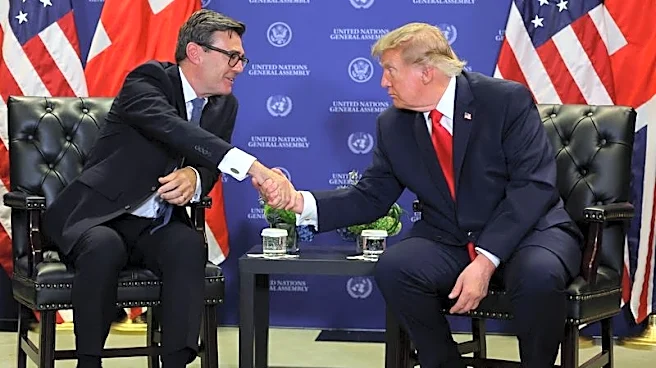
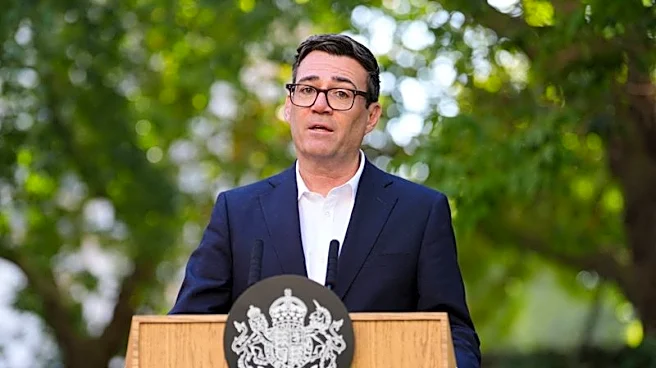
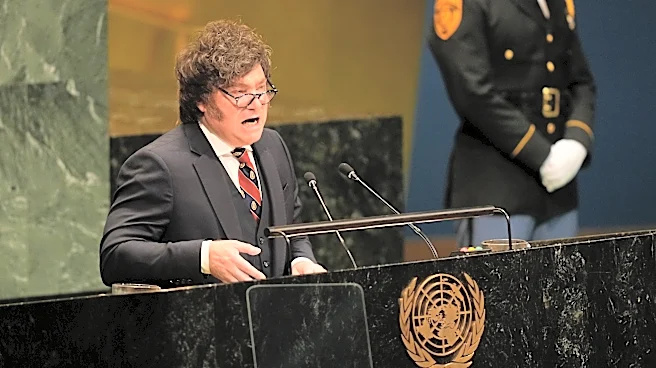
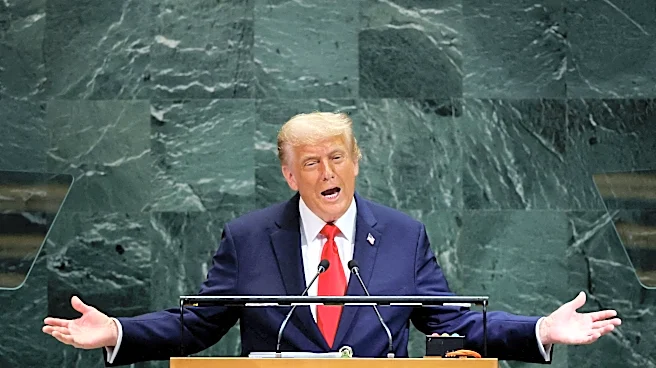
Following a televised discussion between President Trump and UK Prime Minister Andy Burnham at the UN General Assembly in New York, the United Kingdom's negotiated deal to transfer sovereignty of the Chagos Archipelago to Mauritius, including the strategic
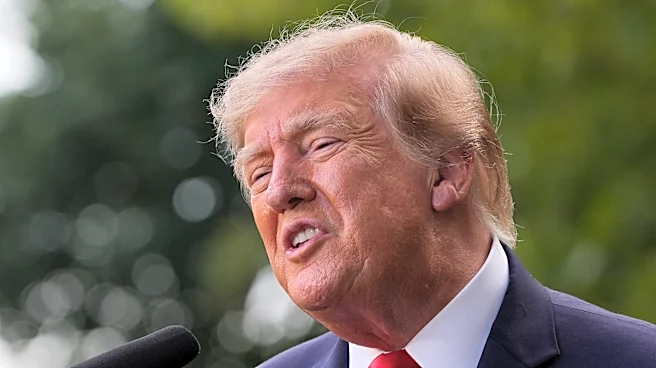
island of Diego Garcia, has been shelved. President Trump publicly denounced the deal as 'terrible,' 'ridiculous,' and 'an act of GREAT STUPIDITY.' His opinion is critical because U.S. assent is legally required under a 1965 UK-U.S. agreement to alter the status of Diego Garcia, which hosts a vital U.S. Naval Support Facility. The proposed deal involved the UK paying an annual rent to Mauritius for a leaseback of Diego Garcia, despite the island historically being British territory. The deal had faced criticism for its financial implications for the UK's defense budget, the lack of enforceable guarantees regarding the future use of the Chagos Archipelago, and its failure to address the rights of the Chagos islanders.
Why It's Important?
President Trump's intervention has significant implications for U.S. strategic interests and international relations. Diego Garcia is a crucial military base, providing a strategic projection of power in the Indian Ocean, particularly relevant given increasing instability in the Middle East and the vulnerability of other U.S. bases. By rejecting the deal, President Trump has ensured the continued, unencumbered U.S. access to and control over the facility, which is vital for its military operations and global security posture. The decision also underscores the U.S.'s willingness to assert its interests in international agreements, even when it means overriding the negotiated outcomes of its allies. For the UK, the shelving of the deal means a return to the drawing board for the future of the Chagos Archipelago, with UK Defense Minister Wes Streeting acknowledging the previous deal was 'not good enough.' This situation highlights the complex interplay of historical claims, strategic military needs, and international law, with the U.S. playing a decisive role due to its existing treaty obligations and military presence.
What's Next?
The Mauritian government is expected to mobilize the 'Global South' to pressure both the UK and the U.S. to accede to its demands for sovereignty over the Chagos Archipelago. However, President Trump has historically shown resistance to international pressure. The UK will need to negotiate a new agreement with Mauritius that is acceptable to the United States and guarantees the continued use of the Naval Support Facility Diego Garcia. The legal status of the previous lease-back deal is in suspended animation, as it failed to pass in the British Houses of Parliament. Meanwhile, a group of Chagossians, led by Misley Mandarin, are advocating for their right to self-determination and are opposed to being transferred to Mauritius. Plans are underway, privately financed, to rebuild infrastructure on Île du Coin to support a permanent resettlement of Peros Banhos. The future of Diego Garcia and the Chagos Archipelago will depend on complex negotiations involving the UK, Mauritius, the U.S., and the Chagos islanders, with the U.S.'s strategic interests remaining a paramount factor.
Beyond the Headlines
The Diego Garcia situation delves into deeper issues of post-colonial sovereignty, the rights of displaced indigenous populations, and the enduring legacy of Cold War-era military agreements. The Chagos islanders' struggle for the right to return to their homeland, from which they were forcibly removed, adds a significant humanitarian and ethical dimension to the geopolitical dispute. President Trump's decision, while driven by strategic military considerations, inadvertently amplifies the voices of those who feel their rights have been overlooked in international negotiations. The episode also highlights the evolving nature of international law and the challenges of reconciling historical claims with contemporary strategic imperatives. The potential for Chinese encroachment in the region, if sovereignty were transferred without robust safeguards, underscores the broader geopolitical competition at play. Ultimately, the resolution of the Diego Garcia issue will not only impact military strategy but also set precedents for how historical injustices and indigenous rights are addressed in the context of global power dynamics.