





What's Happening?
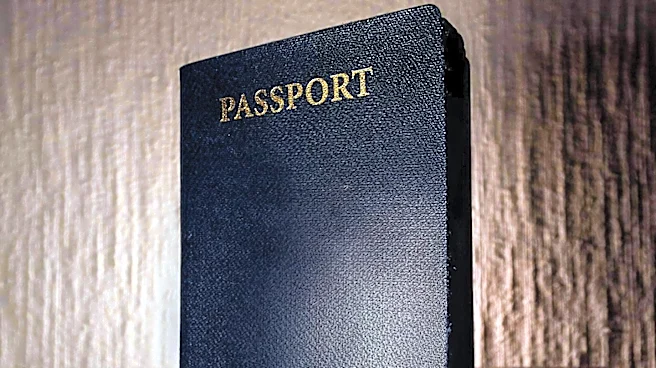
Amnesty International has issued a strong condemnation against the Zambian authorities for revoking the passports of six critics. The individuals affected include Emmanuel Mwamba, former ambassador to Ethiopia; Emmanuel Jay Banda, former Petauke member
of parliament; Binwell Mpundu, ex-Nkana member of parliament; Kaiser Zulu, a former special assistant to the Zambian president for politics; Sishuwa Sishuwa; and social media vlogger Lillian Mutambo. The Zambian government stated that these passports are no longer valid for identification, travel, or any official purpose, warning that their use could constitute an offense. Vongai Chikwanda, Deputy Regional Director for East and Southern Africa at Amnesty International, described the revocations as a violation of international human rights law, specifically Article 12 of the International Covenant on Civil and Political Rights (ICCPR), which guarantees the right to freedom of movement. Amnesty International highlighted that political criticism is not a specified ground for passport cancellation under Zambian law.
Why It's Important?
This action by the Zambian government raises serious concerns about human rights, freedom of expression, and political dissent in the country. The arbitrary revocation of passports effectively strips individuals of their legal and social identity, trapping them in a state of de facto statelessness and undermining their dignity and basic civil protections. This move can be seen as a tactic to silence opposition and critical voices, creating a chilling effect on free speech and political participation. It also sets a dangerous precedent, potentially allowing governments to weaponize citizenship documents against perceived adversaries. Such actions can erode democratic institutions, limit accountability, and lead to a decline in the rule of law. The international community, through organizations like Amnesty International, views these acts as a breach of fundamental human rights, impacting Zambia's standing on the global stage.
What's Next?
Amnesty International has called on Zambian authorities to reverse the passport cancellations, restore the individuals' passports, and provide remedies for any harm caused by the unlawful decision. It is anticipated that international human rights bodies and advocacy groups will continue to pressure the Zambian government to adhere to international human rights standards. The affected individuals may pursue legal challenges within Zambia or through international mechanisms to reclaim their travel documents and rights. This situation could also lead to increased scrutiny of Zambia's human rights record, potentially impacting its diplomatic relations and international aid. The broader implications could include a heightened sense of fear among critics and opposition figures within Zambia, further restricting the space for democratic discourse and dissent.
Beyond the Headlines
The revocation of passports for political critics is a tactic employed by various governments globally to control dissent and limit the mobility and influence of opposition figures. This practice goes beyond mere inconvenience; it fundamentally curtails an individual's ability to participate in international forums, seek asylum, or even conduct personal affairs abroad. It also sends a clear message to other potential critics about the consequences of speaking out. The 'security concerns' cited by the Zambian government, without specific legal grounds, highlight the potential for abuse of power under vague national security pretexts. This situation underscores the fragility of civil liberties when legal frameworks are manipulated to serve political ends, and the critical role international human rights organizations play in holding states accountable for upholding universal rights.