

What's Happening?
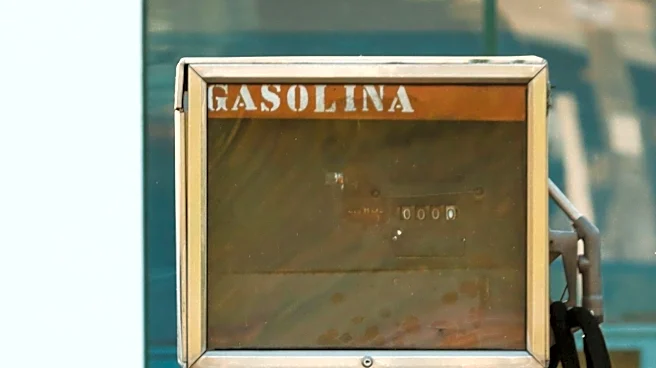
Trassa, one of Russia's largest gas station chains, has ceased operations and is facing seizure by the Russian government later this week, according to the Moscow Times. The company, managed by EuroTrans, which operated 57 Trassa locations in the Moscow region,
filed for bankruptcy after defaulting on its bond payments in September. This development comes amidst a nationwide fuel shortage in Russia, exacerbated by recent Ukrainian drone attacks that have reportedly reduced Russia's oil refining capacity by about a third. State-owned lender Sberbank initiated bankruptcy proceedings against Trassa. The situation has fueled fears of widespread fuel rationing, with major oil company Rosneft already reintroducing purchase limits of 50 liters per vehicle at its Moscow stations. The average price of gasoline in Russia has climbed approximately 16% since the beginning of the year.
Why It's Important?
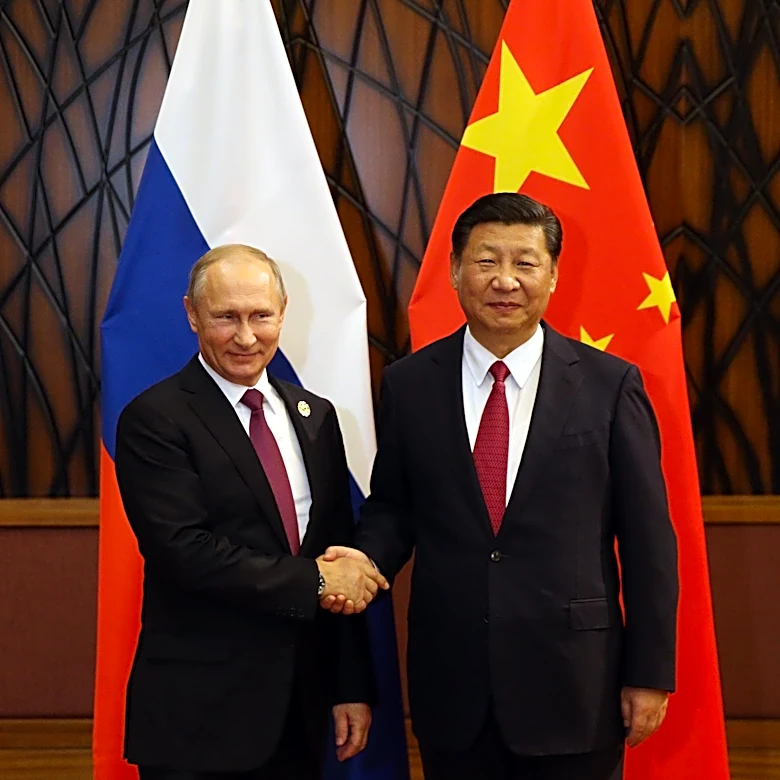
The shutdown of a major gas station chain like Trassa and the reintroduction of fuel rationing by Rosneft signal a deepening energy crisis within Russia. This situation directly impacts Russian citizens and businesses, leading to increased transportation costs, potential disruptions in supply chains, and a decline in overall economic activity. The bankruptcy of Trassa, coupled with the government's potential seizure under President Vladimir Putin's decree concerning critical infrastructure, highlights the severe economic pressures facing Russian companies. For the U.S. and its allies, these developments indicate that sanctions and Ukrainian military actions are having a tangible effect on Russia's domestic economy, potentially influencing its capacity to sustain the ongoing conflict.
What's Next?
The immediate future for Russia suggests continued challenges in its fuel supply and distribution. The government's intervention in companies like Trassa indicates a move towards greater state control over critical sectors during times of crisis. It is likely that more regions will experience fuel shortages and rationing, leading to further public discontent. The rising gasoline prices will continue to strain household budgets and business operations. The ongoing Ukrainian drone attacks on Russian refineries will likely exacerbate these issues, making it difficult for Russia to quickly restore its refining capacity. This could lead to a prolonged period of energy instability within the country, with potential ripple effects on its broader economy and social fabric.
Beyond the Headlines
The collapse of Trassa and the broader fuel crisis in Russia reveal the vulnerabilities of a centralized economy under external pressure. The government's move to seize private assets under the guise of national security, as suggested by President Putin's decree, could deter foreign investment and stifle private sector growth in the long term. This situation also underscores the psychological impact of economic hardship on a population, potentially leading to decreased morale and increased questioning of government policies. The interplay between military actions, economic sanctions, and domestic energy supply creates a complex feedback loop, where each factor influences the others, shaping the trajectory of the conflict and Russia's internal stability.