

What's Happening?
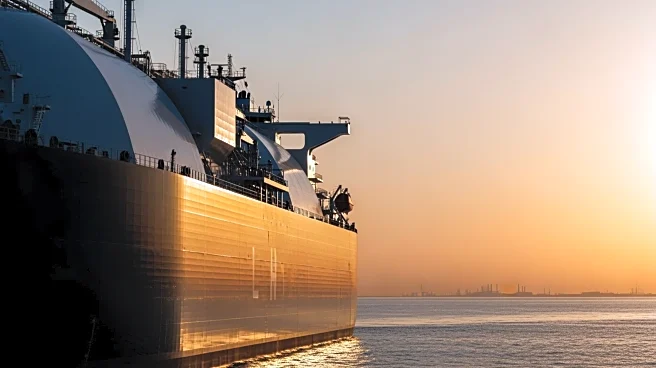
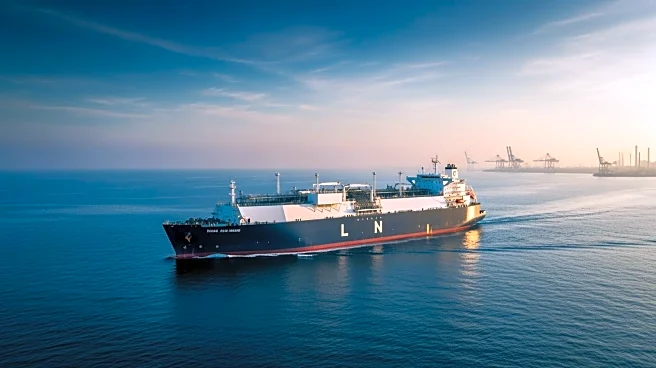
Qatar has loaded its first liquefied natural gas (LNG) cargo since declaring force majeure due to a conflict in the Middle East. The tanker departed from the Ras Laffan LNG export complex, signaling Bangladesh as its destination. The resumption of LNG exports
follows a temporary halt in production caused by an Iranian drone assault. The Strait of Hormuz remains a critical navigation route, and its closure has significant implications for global LNG supply.
Why It's Important?
The resumption of LNG exports from Qatar is crucial for global energy markets, as the country is a major supplier of LNG. The force majeure declaration and subsequent halt in production underscored the vulnerability of energy supply chains to geopolitical tensions. The reopening of exports is a positive development for energy security, but the ongoing conflict in the region continues to pose risks to supply stability and pricing.
What's Next?
The situation in the Middle East remains volatile, and further disruptions to LNG exports could occur if hostilities escalate. Energy markets will closely monitor developments in the region, as any prolonged disruption could lead to supply shortages and increased prices. Qatar and other LNG producers may need to explore alternative routes and strategies to mitigate the impact of regional conflicts on their operations.