







What's Happening?
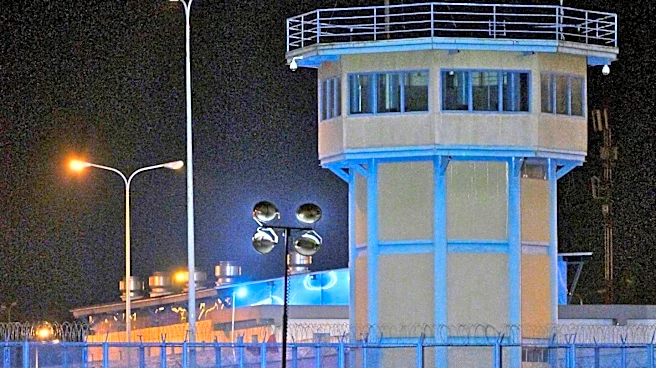
CoreCivic, a private prison company, has finalized a five-year federal contract to reopen the Prairie Correctional Facility in Appleton, Minnesota, as an ICE detention center. The facility, which has been vacant since 2010, will hold up to 1,600 immigrant
detainees. The contract is expected to generate $75 million annually. The decision has sparked mixed reactions, with some local officials supporting the economic benefits and job creation, while others, including activists and some lawmakers, criticize the use of private prisons for immigration detention.
Why It's Important?
The reopening of the Prairie Correctional Facility as an ICE detention center is significant for several reasons. Economically, it promises to bring jobs and revenue to the Appleton area, which has faced economic challenges since the prison's closure. However, the use of private prisons for immigration detention raises ethical and human rights concerns. Critics argue that profit-driven detention facilities may compromise the welfare of detainees. The decision also reflects broader national debates on immigration policy and the role of private companies in the detention system.
What's Next?
As the facility prepares to open, stakeholders will be closely monitoring its operations and impact on the community. The debate over private detention centers is likely to continue, with potential legal and political challenges. Local and national advocacy groups may increase efforts to oppose the use of private prisons for immigration detention. The facility's operations will also be scrutinized for compliance with human rights standards. The broader implications for immigration policy and private sector involvement in detention will remain a contentious issue in U.S. politics.