







What's Happening?
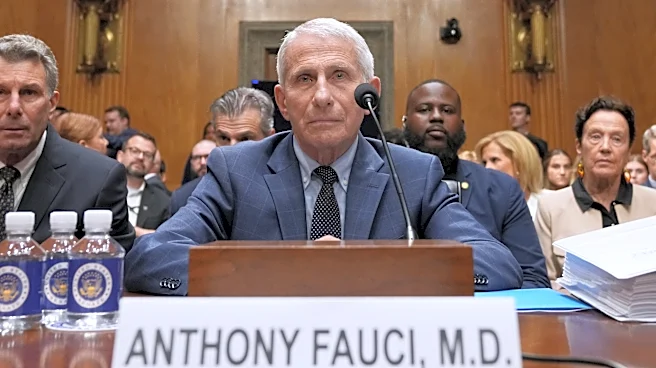
During a House Committee on Oversight and Reform hearing on March 11, 2020, Representative Michael Cloud of Texas questioned Dr. Anthony Fauci about the mortality rate of the virus compared to seasonal influenza. Dr. Fauci explained that while seasonal influenza has
a mortality rate of 0.1 percent, the virus in question was estimated to have a mortality rate of about three percent. However, when accounting for minimally symptomatic and asymptomatic infections, the rate was adjusted to approximately one percent, making it ten times more lethal than the seasonal flu. This testimony was part of a broader discussion on the virus's impact and the necessary public health responses.
Why It's Important?
The exchange between Representative Cloud and Dr. Fauci highlights the critical role of accurate data in shaping public health policy and response strategies. The mortality rate of a virus is a key factor in determining the severity of an outbreak and the measures needed to control it. Dr. Fauci's testimony provided lawmakers and the public with a clearer understanding of the virus's potential impact, influencing decisions on lockdowns, social distancing, and other preventive measures. The information shared in such hearings can significantly affect public perception and compliance with health guidelines, impacting the overall effectiveness of the response to the pandemic.
What's Next?
As the situation evolves, continued monitoring and updates on the virus's characteristics, including its mortality rate, are essential. Public health officials and lawmakers will need to adapt strategies based on the latest data to effectively manage the outbreak. Ongoing research and data collection will be crucial in refining the understanding of the virus and informing future policy decisions. Additionally, transparency and clear communication from health authorities will remain vital in maintaining public trust and ensuring adherence to recommended health measures.
Beyond the Headlines
The discussion around virus mortality rates also raises questions about the balance between public safety and economic impacts. Decisions based on these rates can lead to significant economic consequences, such as business closures and job losses, which must be weighed against the health benefits of controlling the virus's spread. Furthermore, the ethical considerations of public health messaging and the potential for misinformation or misinterpretation of data are critical issues that need to be addressed to ensure informed consent and public cooperation.