


What's Happening?
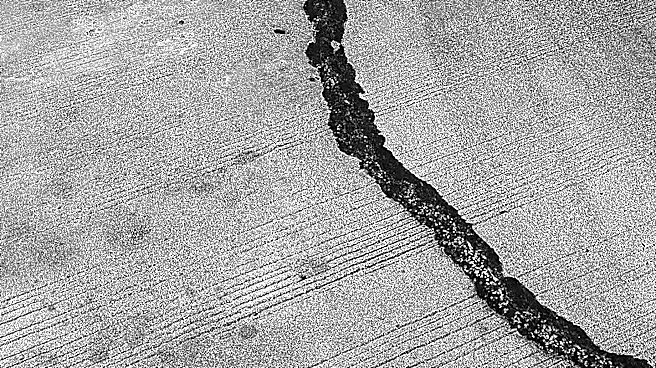
Newly formed cracks have appeared at Chung Pak, a senior-housing complex in Chinatown, leading to demands to halt the construction of a high-rise jail next door. Lower East Side City Councilman Christopher Marte personally observed these cracks at the 96
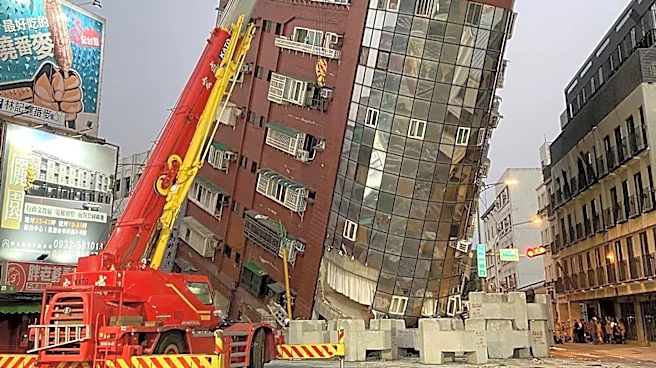
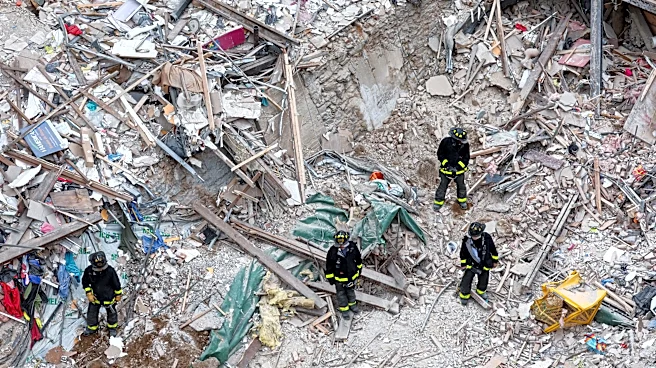
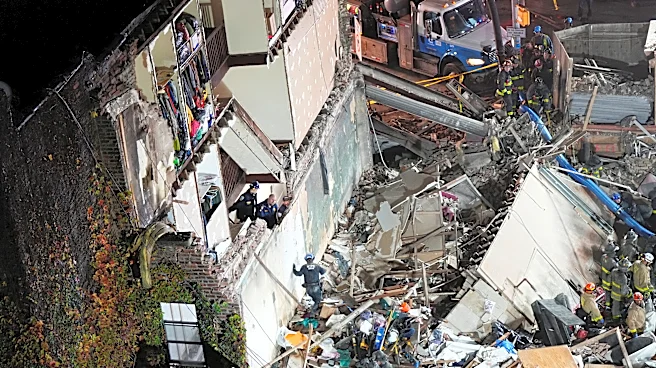
Baxter St. complex and expressed serious concern in a letter to the New York City Department of Buildings (DOB). Marte requested an immediate stop-work order until the impacts can be assessed, mitigated, and appropriate monitoring can be put in place. Concerns about cracking in Chung Pak's walls due to the jail construction date back to 2024, but these new developments have resurfaced following a deadly building collapse in Brooklyn last week. Marte noted that the cracks are directly adjacent to the jail's ongoing secant wall construction and that no vibration or crack monitors have been placed in the area since the demolition contractor left the site.
Why It's Important?
This situation highlights significant concerns regarding the safety and structural integrity of existing buildings adjacent to major construction projects in densely populated urban areas. The appearance of new cracks in a senior housing complex, especially after a recent fatal building collapse in Brooklyn, raises alarms about the potential risks to residents. The incident underscores the importance of rigorous oversight and proactive measures by regulatory bodies like the DOB to ensure construction safety. For the residents of Chung Pak, the cracks represent a direct threat to their safety and well-being, potentially leading to displacement or structural failure. This issue also brings into question the adequacy of environmental reviews and monitoring protocols for large-scale urban development projects, particularly those involving excavation and heavy machinery near older structures. The controversy could lead to increased public scrutiny of city planning and construction practices, potentially influencing future development policies.
What's Next?
City Councilman Christopher Marte has formally requested that the Department of Buildings issue a stop-work order for the high-rise jail construction. The DOB has not yet responded to this specific request, but the situation is likely to escalate given the recent building collapse in Brooklyn. Residents of Chinatown have already filed a lawsuit attempting to halt the around-the-clock construction of the jail, citing concerns about the intensity of the work and its impact on the surrounding environment. The outcome of Marte's request and the ongoing lawsuit will determine the immediate future of the jail project. This incident could also prompt the DOB to conduct more thorough inspections and enforce stricter monitoring requirements for construction sites, particularly those near residential buildings. Public pressure and community activism are expected to continue, advocating for the safety of residents and the preservation of existing structures.
Beyond the Headlines
The cracks at the Chinatown senior complex reveal deeper societal and ethical implications concerning urban development and the protection of vulnerable populations. The construction of a high-rise jail in a residential area, particularly next to senior housing, raises questions about equitable urban planning and the prioritization of community well-being over large-scale infrastructure projects. The recurring issues with structural integrity suggest a potential systemic problem where the long-term impacts on existing communities are not adequately addressed during the planning and execution phases of major construction. This situation could ignite broader discussions about the rights of residents in areas undergoing significant development, the need for independent oversight, and the potential for environmental justice issues. The incident may also contribute to a reevaluation of how construction-related risks are communicated to and managed for the public, especially for elderly residents who may have limited mobility or resources to respond to emergencies.