






What's Happening?
U.S. Representative Laura Gillen (D-N.Y.) has co-sponsored a bipartisan bill, the Protect Clean Water Act, which proposes to authorize $10 billion in federal funding over five years. This funding is specifically designated to assist communities in removing
per- and polyfluoroalkyl substances (PFAS) and other emerging contaminants from their water supplies. The bill, co-sponsored with Rep. Brian Fitzpatrick (R-Pa.), aims to amend the Safe Drinking Water Act. It seeks to increase the annual allocation for PFAS removal from the previous $100 million per year (authorized from 2020-2024) to $1 billion annually from 2027 through 2031. Additionally, the legislation authorizes the distribution of $1 billion per year through Clean Water and Drinking Water State Revolving Funds to support communities in investing in treatment technology and upgrading water infrastructure. This initiative continues federal funding efforts for PFAS removal, which were previously provided by the 2021 Infrastructure Investment and Jobs Act, an act that expired on September 30.
Why It's Important?
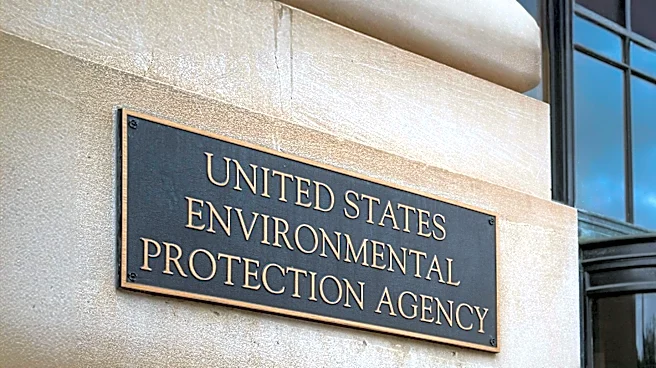
This bipartisan legislative effort is crucial for addressing a significant public health and environmental challenge across the United States. PFAS, often referred to as 'forever chemicals,' have been linked to various health issues, including cancer, and their widespread presence in water supplies poses a substantial risk to communities. The proposed $10 billion funding addresses the substantial financial burden faced by cities and towns struggling to comply with the Environmental Protection Agency's new Clean Water Act standards, which set maximum caps on PFAS levels in drinking water. The American Water Works Association estimated in 2024 that over 7,000 entry points require capital improvement investments to treat PFAS, with costs ranging from $37.1 billion to $48.3 billion through 2029. By providing dedicated federal funding, the bill aims to alleviate the financial strain on local governments and water utilities, ensuring that more communities can affordably implement necessary treatment technologies and infrastructure upgrades to safeguard public health. This initiative is vital for protecting drinking water sources and mitigating the long-term health impacts of PFAS contamination.
What's Next?
The Protect Clean Water Act, having been introduced in the House of Representatives, will now proceed through the legislative process. This will involve committee reviews, potential amendments, and votes in both the House and the Senate. If passed, the bill would significantly alter the funding landscape for water infrastructure projects focused on contaminant removal, with the increased annual funding set to begin in 2027. Stakeholders, including the American Water Works Association, the National League of Cities, and various water associations, have expressed support for expanded funding opportunities to address emerging contaminants like PFAS. Their continued advocacy will be critical in moving the bill forward. The legislation's success will depend on sustained bipartisan cooperation and the ability to navigate potential budgetary challenges and competing legislative priorities. Communities across the nation will be closely watching the progress of this bill, as its passage would provide much-needed resources to meet federal water quality standards and protect their residents.
Beyond the Headlines
The Protect Clean Water Act highlights a broader shift in environmental policy towards proactive measures against emerging contaminants. Beyond the immediate financial relief for water systems, this legislation underscores the growing recognition of the long-term health and environmental costs associated with industrial chemicals. The bipartisan nature of the bill suggests a consensus on the urgency of addressing PFAS contamination, transcending typical political divides. This could set a precedent for future environmental legislation, encouraging more collaborative approaches to complex issues. Furthermore, the focus on upgrading water infrastructure could stimulate innovation in water treatment technologies and create new economic opportunities in the environmental engineering and public works sectors. The bill also implicitly acknowledges the historical burden placed on communities by industrial pollution, aiming to rectify past oversights and ensure a safer, healthier future for drinking water supplies nationwide. This legislative action reflects a deeper societal commitment to environmental stewardship and public health protection.