
What's Happening?
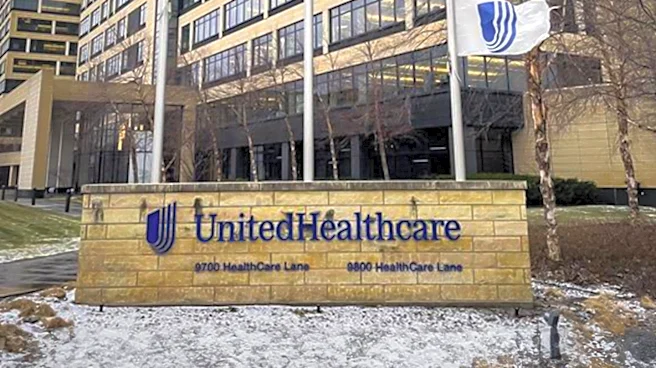
UnitedHealth Group is seeking a Director of CEO Communications to lead and execute high-impact executive communications for Optum Insight's CEO and key leadership team members. This remote position, with
a requirement for in-office work four days a week for those in Minneapolis or Washington, D.C., is central to strengthening leadership credibility, aligning employees and stakeholders, and advancing Optum Insight's business priorities. The role involves developing an end-to-end executive communications strategy, serving as a trusted advisor to executives on communication approach and positioning, and translating enterprise priorities into compelling messages. The Director will also plan and deliver high-stakes communication moments, including employee town halls and external engagements. UnitedHealth Group's mission is to help people live healthier lives and make the health system work better for everyone, with a strong commitment to addressing health disparities and improving health outcomes for all, particularly for people of color, historically marginalized groups, and those with lower incomes. The company emphasizes a culture guided by inclusion, comprehensive benefits, and career development opportunities.
Why It's Important?
This role is critical for UnitedHealth Group, a major player in the U.S. healthcare industry, as effective communication from its leadership is essential for maintaining public trust, employee morale, and stakeholder confidence. In a complex and rapidly evolving healthcare landscape, clear and consistent messaging can significantly influence public perception, policy discussions, and the company's ability to achieve its mission of improving health outcomes and addressing disparities. The emphasis on equitable care and mitigating environmental impact reflects broader societal expectations for corporate responsibility, particularly within the healthcare sector. The Director of CEO Communications will play a pivotal role in shaping the narrative around these initiatives, which can impact public health policies, community engagement, and the company's reputation. The position's focus on both internal and external communications underscores the need for a unified voice that resonates with diverse audiences, from employees to policymakers and the general public, ultimately affecting the company's ability to drive health optimization across the nation.
What's Next?
The recruitment process for the Director of CEO Communications will continue, with UnitedHealth Group seeking candidates with extensive experience in strategic communications and a proven ability to advise senior leaders. Once filled, the individual in this role will immediately begin shaping and delivering executive communications that align with Optum Insight's and UnitedHealth Group's strategic objectives. This will involve close collaboration with various internal teams, including Compliance, Tax, Finance, Product, and Engineering, to ensure consistent and accurate messaging. The successful execution of this role is expected to enhance the company's ability to communicate its commitment to health equity and sustainability, potentially influencing public discourse on healthcare access and environmental responsibility. The ongoing efforts to improve health outcomes and address disparities will likely be a central theme in future communications, reflecting the company's long-term strategic priorities and its impact on the U.S. healthcare system.
Beyond the Headlines
The creation of a Director of CEO Communications role within UnitedHealth Group highlights the increasing importance of strategic communication in large, complex organizations, especially those operating in highly regulated and socially impactful sectors like healthcare. Beyond conveying corporate messages, this role is instrumental in shaping the company's identity and values in the public sphere. The explicit mention of addressing health disparities and promoting equitable care points to a deeper societal expectation for corporations to play an active role in social justice and public welfare. This goes beyond traditional business objectives, suggesting a shift towards a more purpose-driven corporate model. The need for a trusted advisor to executives on communication in 'high-stakes situations' also underscores the constant scrutiny faced by major healthcare entities and the critical importance of navigating public opinion and regulatory environments with precision and integrity. This role is not just about PR; it's about embedding the company's mission and values into every message, influencing not only business outcomes but also broader societal perceptions of corporate responsibility in healthcare.