




What's Happening?
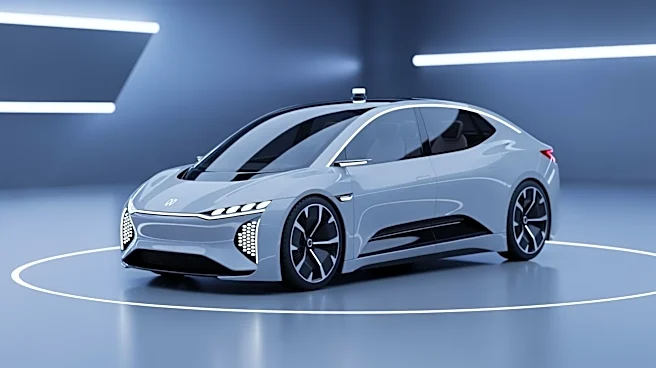
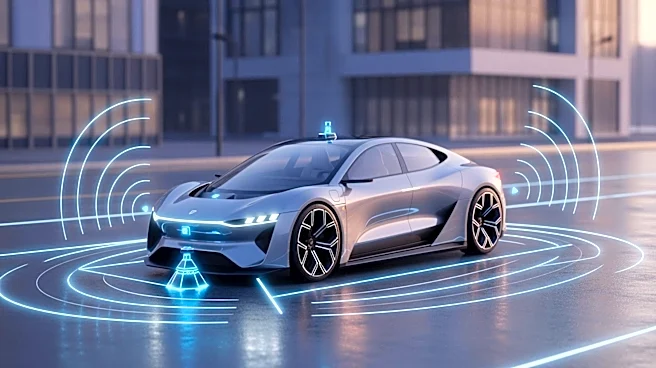
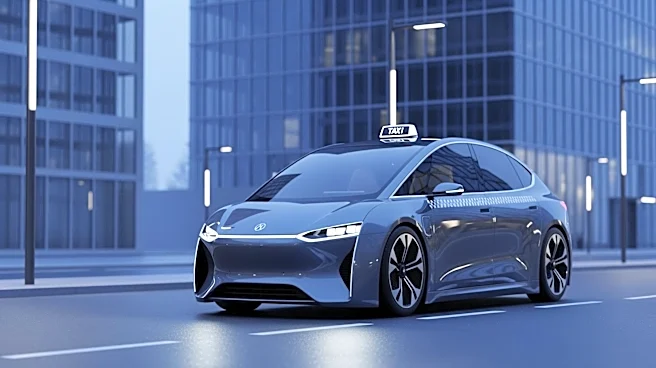
Uber, in collaboration with artificial intelligence firm Autobrains, is set to initiate a robotaxi program in Munich. The project, announced at the GTC technology conference in Taipei, will feature a fleet of Level 4 autonomous vehicles, which operate
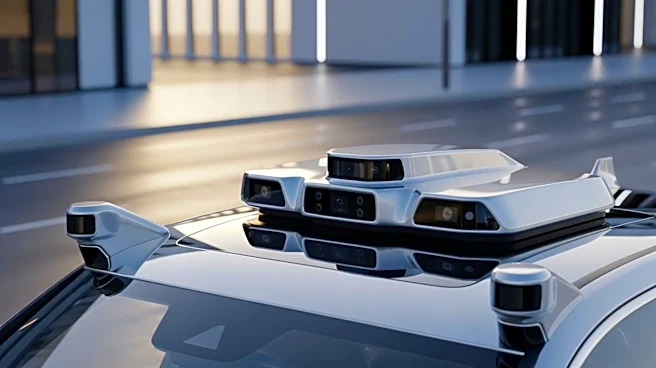
without human intervention. The initiative is based on Nvidia's computing platform and aims to integrate autonomous systems into existing vehicle models from manufacturers like Audi, BMW, and Mercedes. This approach contrasts with previous models that relied on highly customized vehicles. The launch of the service is contingent on regulatory approvals, and details regarding the vehicle brands and operational areas remain unspecified.
Why It's Important?
The introduction of autonomous taxis in Munich represents a significant step in the evolution of urban transportation. By utilizing existing vehicle platforms, the project could reduce development costs for car manufacturers and accelerate the adoption of autonomous technology. This initiative could influence global automotive and tech industries by demonstrating the feasibility of integrating autonomous systems into mass-market vehicles. The success of this program may prompt other cities and companies to explore similar ventures, potentially reshaping urban mobility and reducing reliance on human-driven vehicles.
What's Next?
Pending regulatory approvals, the next steps involve finalizing operational details, such as the specific areas for testing and whether safety drivers will be present initially. The outcome of these trials could impact future regulatory frameworks for autonomous vehicles in Germany and beyond. Stakeholders, including automotive manufacturers and tech companies, will likely monitor the program's progress closely, as its success could open new market opportunities and partnerships in the autonomous vehicle sector.