







What's Happening?
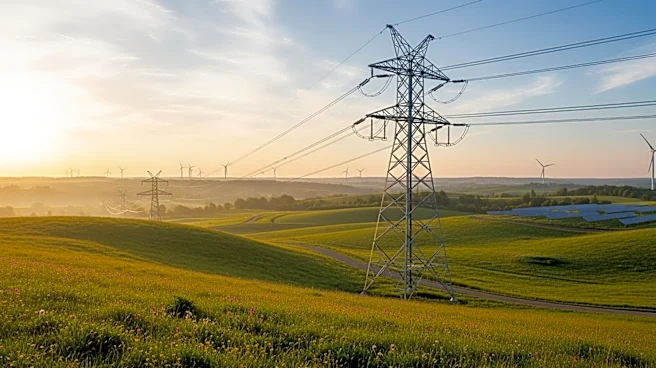
Colorado is advancing its renewable energy infrastructure with the Power Pathway project, a 560-mile transmission line designed to transport wind and solar energy across the state. The project, developed by Xcel Energy, aims to enhance energy resiliency
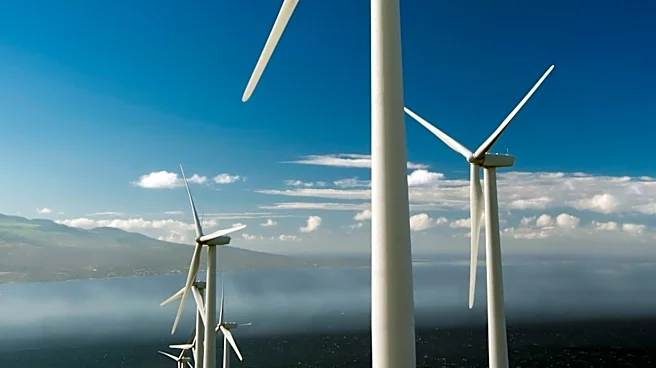
and support the state's renewable energy goals. The Power Pathway is expected to facilitate the development of new wind farms, such as the Dusty Rose I and II projects by NextEra Energy, and expand existing ones. The project has already received approval for most of its segments and is attracting significant interest from renewable energy developers.
Why It's Important?
The Power Pathway project is crucial for Colorado's renewable energy expansion, as it addresses the transmission bottleneck that often hinders renewable energy projects. By providing a dedicated infrastructure for renewable energy, the project supports the state's transition to cleaner energy sources and helps meet its sustainability targets. The development of new wind farms and the expansion of existing ones will increase the state's renewable energy capacity, reduce reliance on fossil fuels, and contribute to economic growth through job creation and investment in the energy sector.
What's Next?
As the Power Pathway project progresses, it is expected to stimulate further renewable energy development in Colorado. The completion of the transmission line will likely attract more developers to the state, leading to increased investment in wind and solar projects. Additionally, the project may serve as a model for other states facing similar transmission challenges, demonstrating the benefits of intrastate transmission lines for renewable energy integration. Stakeholders, including government agencies, energy companies, and local communities, will need to collaborate to ensure the project's success and maximize its impact on the state's energy landscape.