







What's Happening?
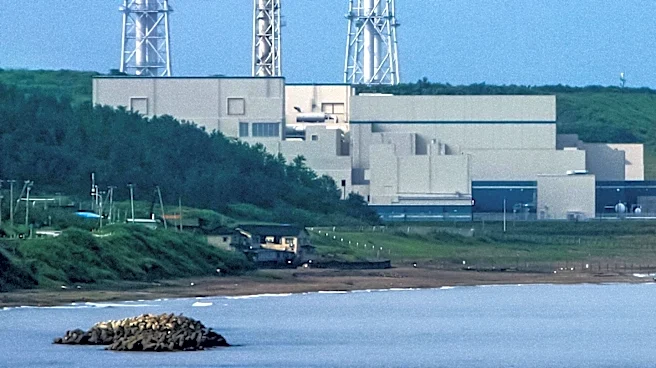
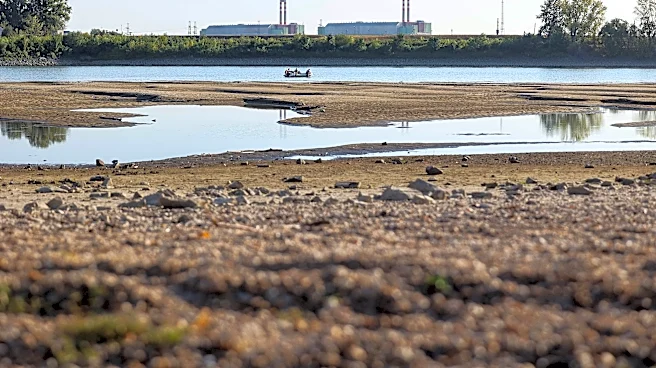
Hungary has shut down its sole nuclear power plant, the Paks facility, for the first time in its 44-year history due to record low water levels in the Danube River. The river's low levels have affected the plant's cooling systems, leading to a complete
shutdown. The Paks plant, located 120 km south of Budapest, is responsible for 40% of Hungary's electricity generation. The government, led by Prime Minister Peter Magyar, is implementing emergency measures, including voluntary industrial consumption cuts and mandatory electricity restrictions on public services, as temperatures are expected to rise significantly.
Why It's Important?
The shutdown of the Paks nuclear plant poses a significant challenge to Hungary's energy supply, highlighting the vulnerability of energy infrastructure to environmental changes. This situation could lead to increased electricity imports and potential economic strain as industrial production may be hampered. The drought also threatens agricultural output, potentially leading to food inflation. The crisis tests the leadership of Prime Minister Magyar, who recently took office, and underscores the need for sustainable energy solutions and infrastructure modernization.
What's Next?
Hungary is likely to face continued energy challenges as the drought persists. The government may need to explore alternative energy sources and accelerate infrastructure improvements to mitigate future risks. The situation could also prompt regional cooperation in energy management and crisis response. The European Union is monitoring the situation closely, and further international support may be necessary if conditions worsen.