
What's Happening?
The U.S. Coast Guard has suspended its search for a 72-foot fishing vessel, the Lily Jean, which sank off the coast of Massachusetts with seven crew members aboard. The search, which began after an alert
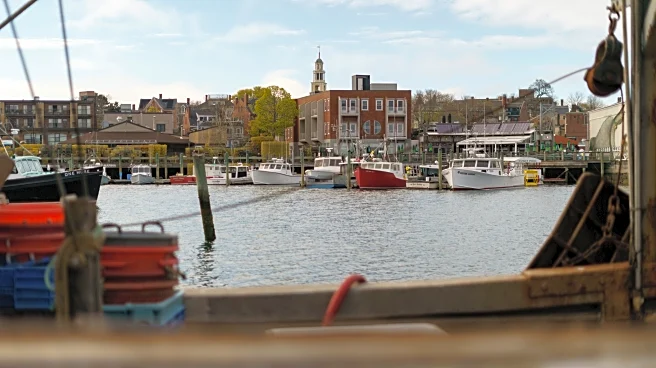
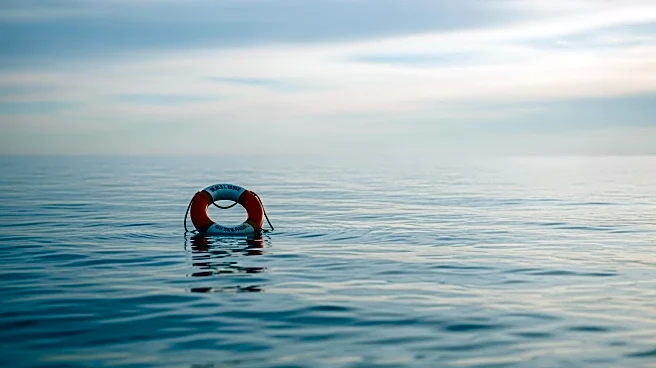
was received from the vessel about 25 miles off Cape Ann, covered approximately 1,000 square miles using multiple aircraft, cutters, and small boats over a 24-hour period. Despite finding a debris field, a body, and an empty life raft, the Coast Guard determined that all reasonable search efforts had been exhausted. The vessel did not issue a mayday call, and the cause of the sinking is under investigation. The incident is a significant tragedy for the Gloucester community, a town with a deep fishing heritage.
Why It's Important?
This incident highlights the inherent dangers of commercial fishing, particularly in the harsh winter conditions of New England. The loss of the Lily Jean and its crew is a significant blow to the Gloucester community, which has a long history tied to the fishing industry. The tragedy underscores the risks faced by those in the fishing profession, often cited as one of the most dangerous jobs in the world. The event also raises questions about maritime safety and the effectiveness of current safety protocols. The emotional impact on the community is profound, as it mourns the loss of its members and grapples with the ongoing risks of their livelihood.
What's Next?
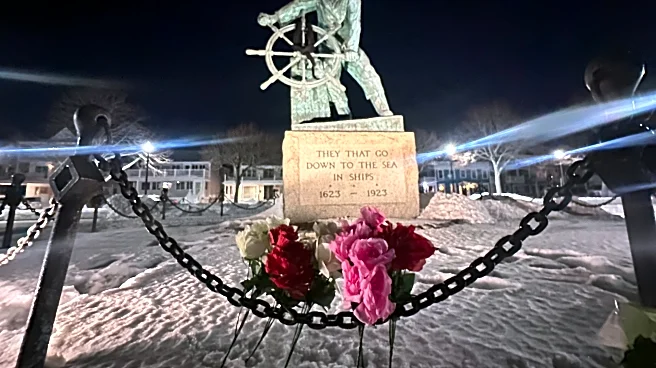
The Coast Guard will continue to investigate the cause of the sinking to determine what led to the tragedy. The community of Gloucester is expected to hold memorials for the lost crew members, and their names will be added to a city memorial honoring fishermen lost at sea. The incident may prompt discussions on improving safety measures for fishing vessels operating in dangerous conditions. Additionally, the National Oceanic and Atmospheric Administration has suspended fishery observer deployments in the area due to the incident and adverse weather conditions.
Beyond the Headlines
The sinking of the Lily Jean may lead to increased scrutiny of safety regulations and practices within the commercial fishing industry. It could also spark a broader conversation about the support systems available to fishing communities that face such tragedies. The cultural and historical significance of fishing in Gloucester adds a layer of complexity to the community's response, as it balances honoring its heritage with addressing modern safety challenges.