

What's Happening?
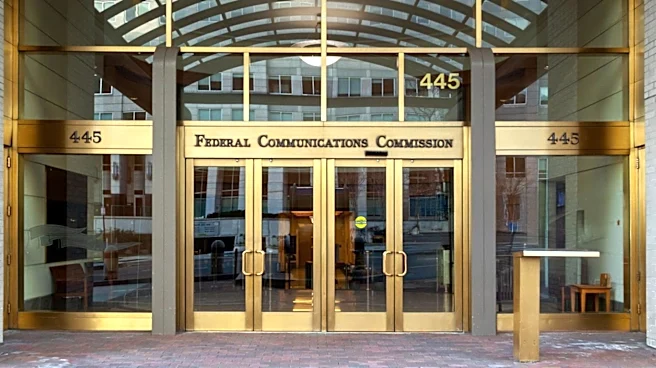
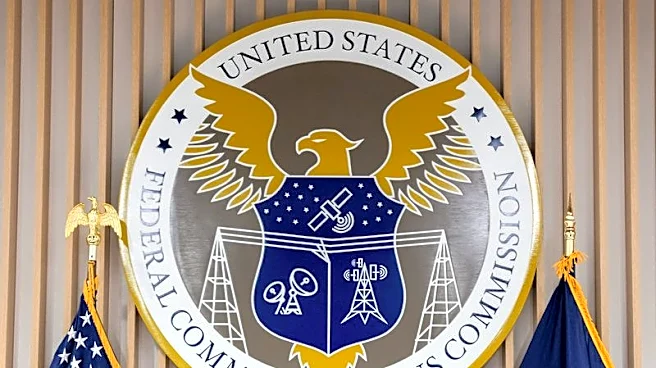
The NewsGuild-CWA, along with a coalition of other organizations, has filed an emergency petition with the Federal Communications Commission (FCC) demanding a freeze on a recent order that they argue will lead to further media consolidation. The petition challenges
the FCC's October 1 repeal of the National Television Multiple Ownership Rule, which previously prohibited television station owners from reaching more than 39% of the U.S. national audience. The NewsGuild-CWA asserts that this repeal violates a congressional mandate established over 20 years ago. The coalition, which includes NABET-CWA Local 51, Writers Guild of America West, Writers Guild of America East, the United Church of Christ Media Justice Ministry, Public Knowledge, Reporters Without Borders USA, Future Film Coalition, and Free Press, contends that the FCC's order will enable conglomerates and monopolies to dominate the broadcast landscape. NewsGuild-CWA President Jon Schleuss stated that media consolidation has been a primary cause of job losses in journalism over the past two decades and that the FCC's disregard for the law will lead to more job cuts, less informed local communities, and increased costs for Americans.
Why It's Important?
This emergency petition highlights significant concerns about the future of media diversity, local journalism, and competition in the U.S. broadcast industry. The 39% ownership cap was designed to prevent excessive concentration of media power, ensuring a variety of viewpoints and local content. Its repeal could accelerate a trend of media consolidation, potentially leading to fewer independent news sources, reduced journalistic employment, and a decline in the quality and breadth of local news coverage. Critics argue that such consolidation undermines democratic principles by limiting viewpoint diversity and the public's access to comprehensive information. The coalition's action underscores the belief that a functioning democracy relies on a competitive and diverse media landscape. The outcome of this petition and subsequent legal challenges could significantly impact the media industry's structure, affecting journalists, media workers, and the public's access to information.
What's Next?
The emergency petition requests an immediate stay on the FCC's order, indicating that a legal challenge to the repeal is forthcoming. The FCC will need to respond to this petition, and its decision will determine whether the order is paused or proceeds as planned. If the FCC denies the stay, the coalition is expected to pursue legal action to overturn the repeal. This could lead to a protracted legal battle, potentially involving federal courts. The outcome will have major implications for media companies, as it will either open the door for significant mergers and acquisitions or reinforce existing limits on broadcast ownership. The ongoing advocacy by groups like The NewsGuild-CWA suggests continued pressure on regulators and lawmakers to address concerns about media consolidation and its impact on journalism and public discourse.
Beyond the Headlines
The debate over media consolidation extends beyond economic and regulatory concerns, touching upon fundamental issues of free press, civic engagement, and the health of American democracy. As Skye Perryman, President and CEO of Democracy Forward, noted, localism, viewpoint diversity, and competition are crucial for a functioning democracy. The erosion of these elements through massive media consolidation deals could lead to a less informed public and a weakening of democratic institutions. This situation is exacerbated by challenges to the First Amendment and threats to media independence. The long-term implications could include a media landscape dominated by a few powerful entities, potentially leading to homogenized content, reduced investigative journalism, and a diminished capacity for local communities to hold power accountable. The legal and political fight over this FCC order is therefore a critical battle for the future of information access and democratic discourse in the United States.