

What's Happening?
The International Energy Agency (IEA) has issued recommendations to address the global energy crisis exacerbated by the ongoing conflict in the Middle East. The agency suggests that reducing demand is crucial to alleviating pressure on consumers and improving
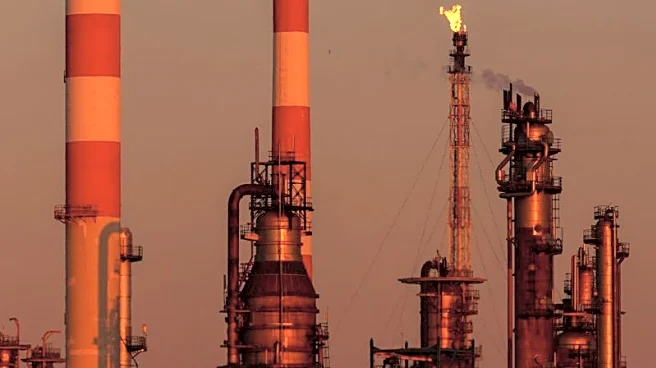
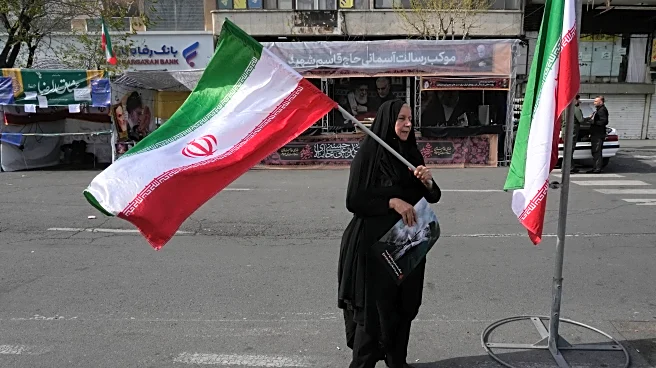
energy security. Key measures include promoting remote work, increasing carpooling and public transit use, and reducing non-essential air travel. The conflict has led to a significant disruption in oil supply, particularly due to the closure of the Strait of Hormuz, which has caused oil prices to surge by over 40% since the start of the U.S.-Iran war. The IEA has also agreed to release 400 million barrels of oil from strategic reserves to address the supply disruption.
Why It's Important?
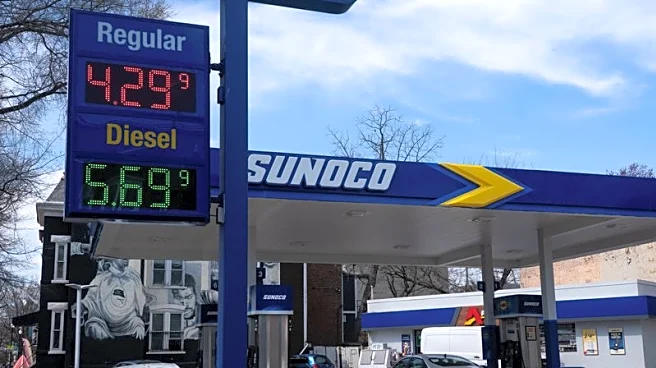
The recommendations by the IEA are significant as they aim to provide immediate relief to consumers facing high energy costs due to the conflict. By reducing demand, the measures could help stabilize prices and support energy security. The conflict has not only affected crude oil prices but also increased costs for refined products like diesel and jet fuel, impacting transportation and logistics. The release of strategic petroleum reserves is the largest in the IEA's history, highlighting the severity of the crisis. These actions are crucial for maintaining economic stability and preventing further escalation of energy costs.
What's Next?
The IEA's recommendations may lead to increased adoption of remote work and public transit, potentially influencing long-term changes in consumer behavior and energy consumption patterns. Governments and businesses might implement policies to encourage these practices, aiming to reduce reliance on oil and promote energy efficiency. The release of strategic reserves will be closely monitored to assess its impact on the market. Additionally, geopolitical developments in the Middle East will continue to influence energy prices and global supply chains.