










What's Happening?
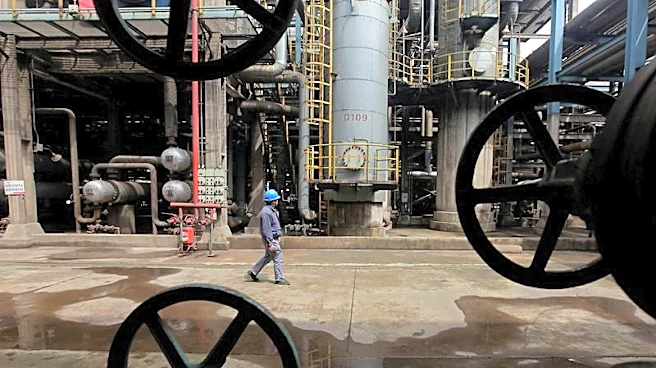
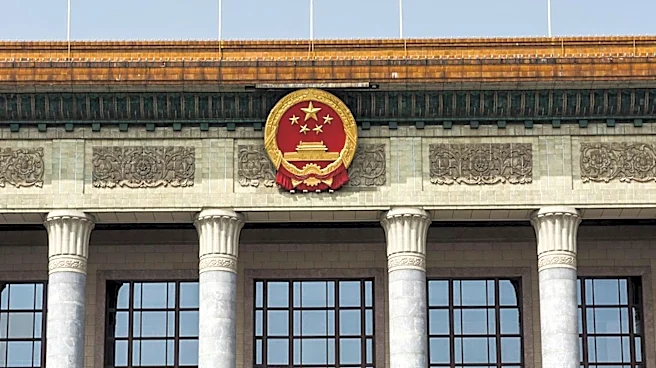
China, the world's largest crude oil importer, may soon resume significant oil purchases, potentially tightening global oil markets. Recent months have seen China drastically reduce its crude imports, providing a buffer against rising oil prices amid
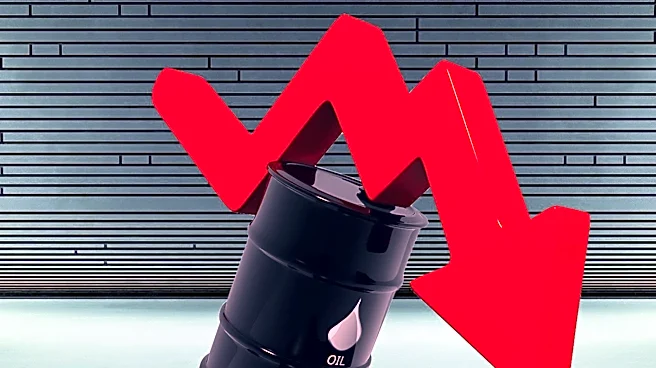
Middle Eastern supply disruptions. However, analysts suggest that China could accelerate buying in the coming months as it draws down its stockpiles. The potential end of China's low-demand period coincides with ongoing tensions in the Strait of Hormuz, which have disrupted oil shipments. This combination of factors could lead to tighter oil markets and increased price pressures later this year.
Why It's Important?
China's role as a major oil importer means its purchasing decisions significantly impact global oil prices. A resumption of Chinese imports could exacerbate existing supply constraints, particularly given the ongoing disruptions in the Strait of Hormuz. This situation highlights the interconnectedness of global oil markets and the potential for geopolitical tensions to influence supply and demand dynamics. Higher oil prices could have broad economic implications, affecting industries reliant on oil and potentially leading to increased costs for consumers. The situation underscores the importance of monitoring geopolitical developments and their impact on global energy markets.
What's Next?
If China resumes significant oil imports, global oil markets may experience increased volatility and price fluctuations. The situation in the Strait of Hormuz will continue to be a critical factor, as any further disruptions could exacerbate supply constraints. Oil-producing countries and companies may need to adjust their strategies to account for changing demand dynamics. Additionally, policymakers and industry stakeholders will likely monitor the situation closely to assess potential impacts on energy security and economic stability. The outcome of these developments will shape the future trajectory of global oil markets.