



What's Happening?
A significant bribery scandal has unfolded in Hawaii, leading to the indictment of several high-profile state officials. The state attorney general's investigation culminated in a 12-count grand jury indictment involving Lt. Gov. Sylvia Luke, former Department
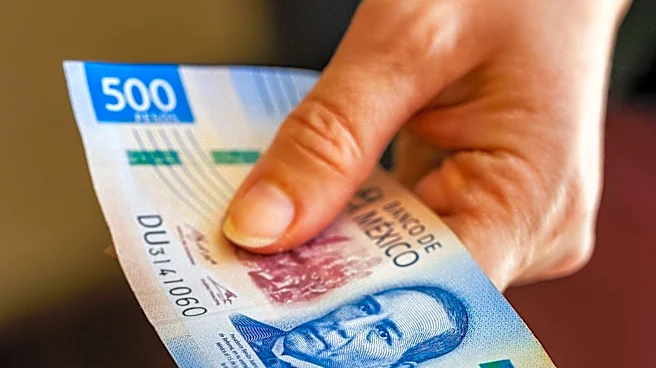
of Human Services director Ryan Yamane, Department of Transportation airports administrator Ford Fuchigami, former Hawaii Public Utilities Commission chair Leo Asuncion Jr., and lobbyist Tobi Solidum. The charges include criminal conspiracy to commit bribery, bribery, falsifying election documents, and obstruction of justice. The investigation, which followed a federal bribery case, revealed cash bribes and campaign donations linked to emergency COVID-19 testing contracts. Governor Josh Green has called for Luke's resignation, and further charges may be forthcoming.
Why It's Important?
This scandal is considered the largest bribery case in Hawaii's history, highlighting significant issues within the state's political and administrative systems. The involvement of high-ranking officials underscores the potential for corruption in government, particularly concerning campaign donations and public contracts. The case raises questions about the integrity of political processes and the influence of money in politics. It may lead to increased scrutiny and reforms in campaign finance laws and government transparency. The scandal could impact public trust in state leadership and prompt calls for accountability and systemic change.
What's Next?
The investigation is ongoing, with potential for additional charges against the indicted officials and others involved. The Campaign Spending Commission has filed a civil complaint against Lt. Gov. Sylvia Luke's campaign, which may lead to further legal action. The attorney general's office continues to explore the extent of the bribery scheme, and more individuals may be implicated. The scandal is likely to prompt legislative and public discussions on campaign finance reform and anti-corruption measures. Stakeholders, including political leaders and civil society groups, may advocate for increased oversight and transparency in government operations.
Beyond the Headlines
The scandal highlights ethical concerns regarding the relationship between campaign contributions and political favors. It raises questions about the adequacy of existing laws to prevent corruption and the need for stricter regulations. The case may influence cultural perceptions of political integrity and the role of money in governance. Long-term implications could include shifts in public attitudes towards political donations and increased demand for accountability from elected officials. The scandal may also affect Hawaii's political landscape, influencing future elections and policy decisions.