






What's Happening?
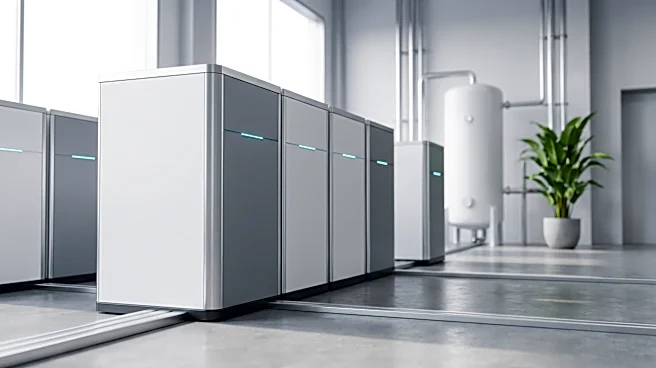
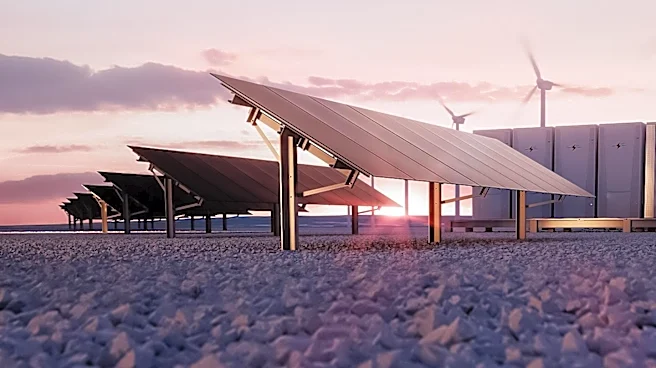
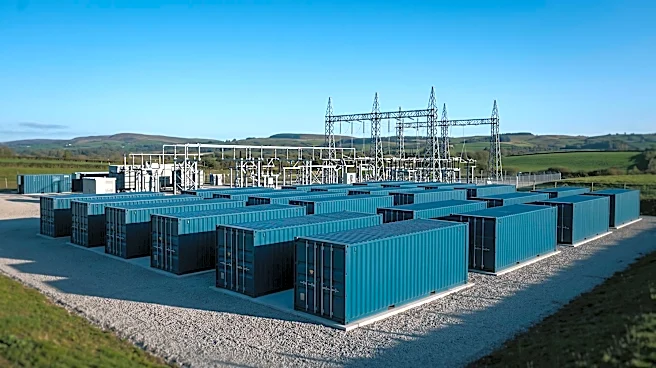
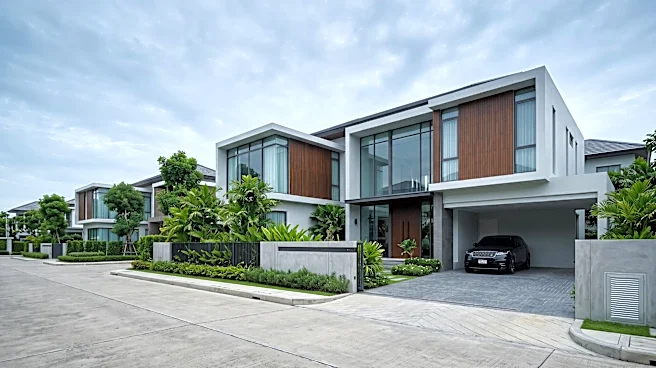
Hoymiles' HiOne all-in-one Battery Energy Storage System (BESS), coupled with its HiBox gateway, is being deployed in residential properties across Bangkok, Thailand. This system aims to improve the utilization of solar power, manage electricity consumption
more efficiently, and ensure power availability during grid interruptions. Thailand's hot and humid climate, increasing household electricity demand, and the need for greater power reliability are driving homeowners to seek energy solutions beyond traditional solar generation. The HiOne BESS integrates an inverter, battery, and energy management system into a single unit, offering a maximum efficiency of 98.5% and over 8,000 battery life cycles. Local installer COMSYS SOLAR has implemented these systems with configurations ranging from 10kW to 12kW of solar capacity and 8kWh to 16kWh of storage, tailored to individual household energy needs. The Thai government has also introduced a residential solar feed-in program, targeting up to 500 MW of capacity nationwide by 2026, allowing eligible households to sell surplus solar electricity to utilities.
Why It's Important?
The adoption of advanced BESS like Hoymiles' HiOne in Thailand signifies a growing trend towards energy independence and resilience in regions facing high electricity costs and frequent power interruptions. For U.S. industries, this development highlights the increasing global demand for integrated renewable energy solutions, potentially opening new markets for American technology providers in the energy storage sector. The emphasis on flexible, scalable systems that can adapt to varying household energy needs and integrate with existing solar infrastructure could influence product development and market strategies for U.S. companies. Furthermore, the Thai government's feed-in tariff program demonstrates a policy framework that incentivizes residential solar adoption, offering a model for other nations, including the U.S., to consider in promoting renewable energy and grid stability. This shift towards more resilient energy systems can also inform U.S. policy discussions on grid modernization and consumer energy choices.
What's Next?
The continued deployment of systems like Hoymiles' HiOne is expected to further enhance energy resilience for Thai households, potentially leading to reduced reliance on the national grid and lower electricity bills. The success of these installations could encourage broader adoption of similar BESS technologies across Thailand and other Southeast Asian countries with similar climate and energy challenges. For Hoymiles, this expansion in the Thai market could solidify its position as a key player in residential energy storage. The ongoing government incentives, such as the feed-in program, are likely to continue driving investment in residential solar and storage solutions. Future developments may include further integration of smart grid technologies and AI-powered optimization to maximize energy efficiency and cost savings for consumers. The data gathered from these deployments will also be crucial for refining future energy policies and technological advancements in the sector.
Beyond the Headlines
The move towards integrated solar-plus-storage solutions like the Hoymiles HiOne system reflects a deeper global shift in energy consumption patterns, moving from centralized power generation to more distributed and localized energy systems. This decentralization empowers individual households to become prosumers, both producing and consuming electricity, which can have significant long-term implications for energy security and environmental sustainability. Ethically, it raises questions about equitable access to such technologies, ensuring that the benefits of energy resilience are not limited to affluent households. Culturally, it represents a growing awareness and proactive approach to climate change and energy independence among consumers. The long-term shift could lead to a more robust and adaptable energy infrastructure, less vulnerable to large-scale outages and more responsive to individual energy needs, potentially influencing urban planning and housing development to incorporate such systems as standard.