








What's Happening?
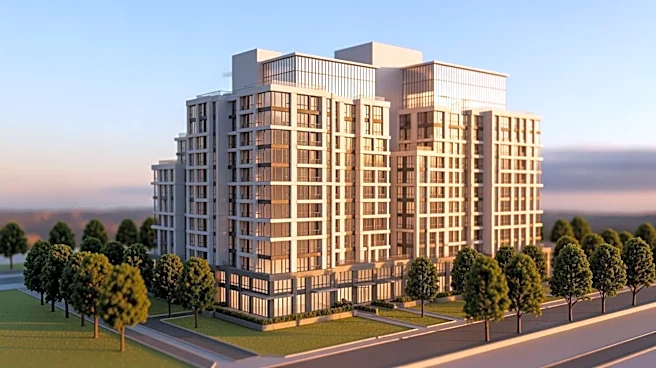
A new housing complex, Brewery Creek Terrace, has opened in Duluth's Hillside neighborhood, targeting working-class families amid the city's ongoing housing shortage. The renovated apartment building, managed by Heirloom Property Management, aims to provide
'workforce housing' for tenants who do not qualify as low-income but cannot afford high-end rentals. The building, which had been vacant and suffered fire damage, has been transformed to offer affordable housing options. The median household income in Duluth is approximately $69,000, and the cost of a one-bedroom apartment in the complex is set at $1,500 per month. This initiative is seen as a vital step in revitalizing the neighborhood and providing necessary housing for the community's middle-income residents.
Why It's Important?
The opening of Brewery Creek Terrace addresses a critical need for affordable housing in Duluth, particularly for middle-income families who often find themselves priced out of both low-income and high-end housing markets. This development is significant as it helps bridge the gap in the housing market, providing options for those who earn too much to qualify for subsidized housing but not enough to afford luxury apartments. By revitalizing a previously vacant and damaged building, the project also contributes to neighborhood improvement and economic stability. The initiative reflects broader trends in urban development where cities are increasingly focusing on creating sustainable housing solutions to support their workforce and stimulate local economies.
What's Next?
With the opening of Brewery Creek Terrace, a waitlist for the units is now available, indicating strong demand for this type of housing. The success of this project could encourage similar developments in other parts of Duluth and beyond, as cities across the U.S. grapple with similar housing shortages. Local government and housing authorities may monitor the impact of this development on the community and consider additional policies or incentives to support workforce housing. The project's progress and its reception by the community could serve as a model for addressing housing shortages in other urban areas.