



What's Happening?
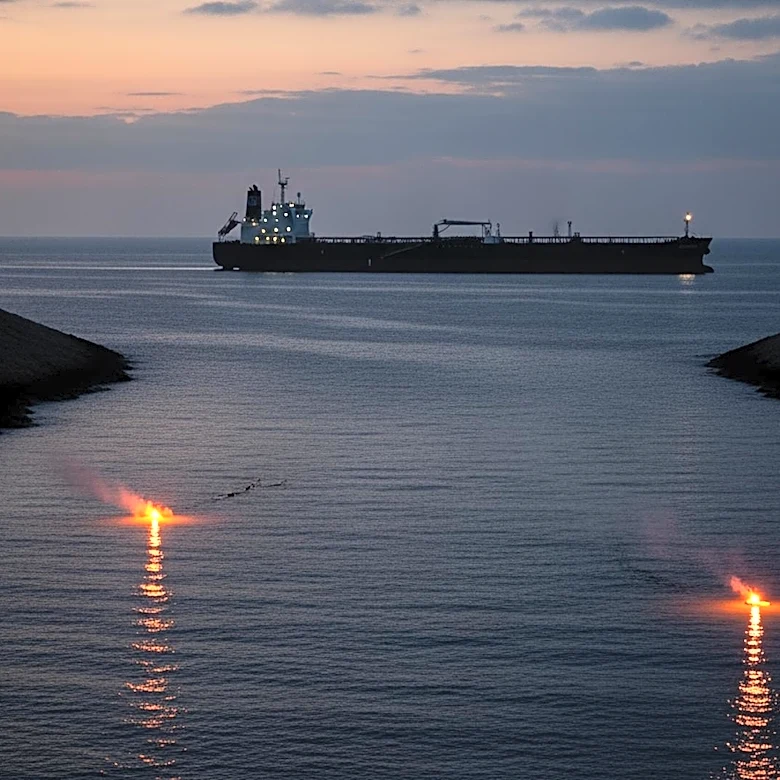
The United Arab Emirates (UAE) announced its decision to leave the Organization of the Petroleum Exporting Countries (OPEC) effective May 1. This decision follows weeks of missile and drone attacks by Iran, an OPEC member, which have disrupted UAE's oil
exports through the Strait of Hormuz. The UAE, a significant player in OPEC, has been a member since 1967. The Energy Ministry stated that the decision was made after a comprehensive review of its production policy, aiming to minimize disruption to oil prices and other OPEC members. Energy Minister Suhail Al Mazrouei emphasized that the timing of the exit was chosen to have minimal impact on the global oil market.
Why It's Important?
The UAE's departure from OPEC marks a significant shift in the global oil market dynamics, potentially affecting oil prices and production strategies. As a major oil producer, the UAE's exit could lead to increased volatility in oil prices and impact global energy markets. This move also highlights geopolitical tensions in the Middle East, particularly between the UAE and Iran, which could have broader implications for regional stability and international relations. The decision may prompt other OPEC members to reassess their positions and strategies within the organization.