





What's Happening?
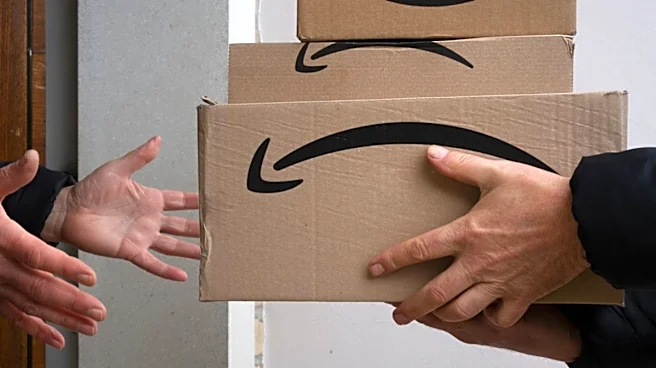
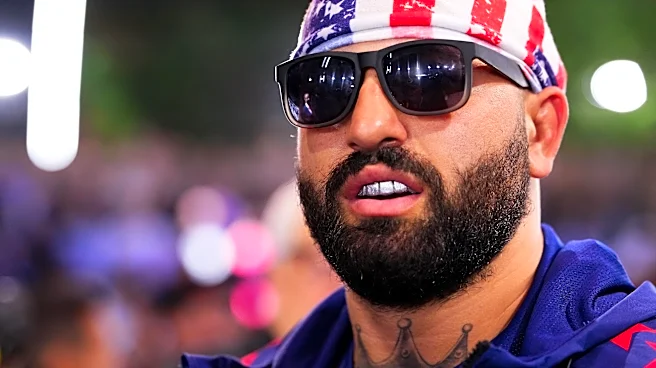
An Amazon delivery driver, identified as Gordon Da Don, claims he was fired from his job after attempting a dirt bike jump outside UFC middleweight champion Sean Strickland's home. The incident, captured in a video posted by Strickland, went viral. According
to Gordon, he was nearing the end of his delivery route when he saw Strickland with a dirt bike and a ramp. Having previous experience with dirt bikes, Gordon accepted Strickland's offer to ride the bike and decided to attempt a jump, despite never having done one before. He landed on his side with the bike on top of him but reported only minor scratches and bruises, attributing his quick recovery to adrenaline. Gordon stated that Amazon contacted his third-party employer, leading to his termination due to an investigation into potential property damage. He attempted to explain that Strickland was riding the bike after he left, but his explanation was not accepted.
Why It's Important?
This incident highlights the potential consequences for individuals engaging in non-work-related activities while on duty, especially when those activities are captured on video and go viral. For delivery companies like Amazon, such incidents can raise concerns about brand image, employee conduct, and liability. The firing of the driver underscores the strict policies many companies have regarding employee behavior and the use of company time and resources. It also brings to light the increasing scrutiny employees face in the age of social media, where personal actions can quickly become public and impact employment. For gig economy workers or those employed by third-party contractors, the lines between personal and professional conduct can become blurred, leading to swift disciplinary action when company policies are perceived to be violated, regardless of the intent or perceived harmlessness of the act.
What's Next?
Gordon Da Don, the former Amazon delivery driver, is now focused on moving forward to 'bigger things' following his termination. While he has received support from many after the stunt, his immediate future employment status with Amazon or its third-party contractors is likely over. This situation may serve as a cautionary tale for other delivery drivers and employees in similar roles, reinforcing the importance of adhering strictly to company policies and maintaining professional conduct during work hours. Companies like Amazon may review their guidelines for third-party contractors regarding employee behavior and potential liability in light of such public incidents. The viral nature of the event could also lead to increased awareness among employers about the risks associated with employees engaging in non-work-related activities that could reflect poorly on the company.
Beyond the Headlines
This event touches upon the broader implications of social media's influence on employment and corporate responsibility. The rapid spread of the video meant that the incident quickly became a public relations matter for Amazon, even though the driver was employed by a third-party company. This scenario raises questions about the extent of responsibility large corporations bear for the actions of contractors and their employees, especially when those actions occur while representing the brand. It also highlights the double-edged sword of viral content: while it can bring fleeting fame, it can also lead to severe professional repercussions. The incident could spark discussions about employee privacy versus employer oversight in an era where nearly every public action can be recorded and shared, potentially influencing how companies monitor and manage their workforce, particularly those in public-facing roles.