







What's Happening?
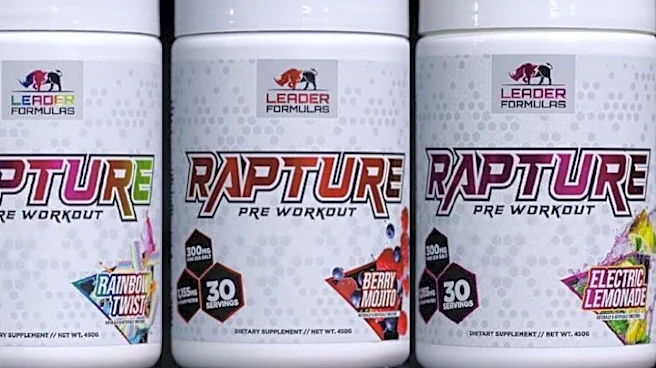
Nootropics, often marketed as 'smart pills' or cognitive enhancers, are substances consumed with the aim of improving memory, focus, or mental energy. These products encompass a range of items, including dietary supplements like caffeine, L-theanine,
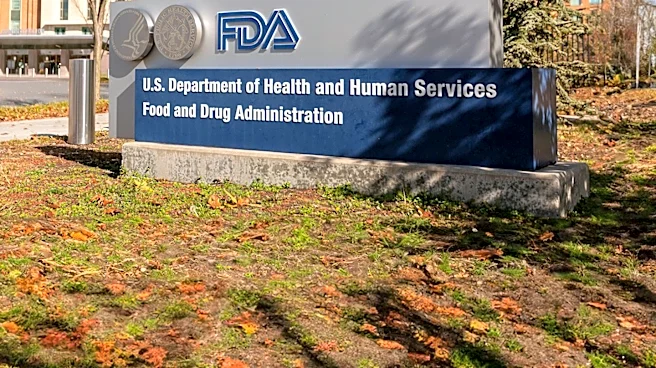
omega-3 fats, citicoline, bacopa monnieri, ginkgo biloba, and B vitamins. Additionally, some prescription medications, such as stimulants for ADHD or narcolepsy, are also considered nootropics when used under medical supervision. A critical aspect of the nootropics market in the U.S. is that dietary supplements are not subject to approval by the Food and Drug Administration (FDA) for safety and effectiveness before they are sold. This lack of pre-market regulation means that the quality, strength, and purity of these products can vary significantly between brands. The evidence supporting the effectiveness of many nootropic ingredients is often limited, with studies being small, short-term, or conducted on specific populations, making it difficult to generalize results. The US National Center for Complementary and Integrative Health has noted the limited evidence for many cognitive function supplements.
Why It's Important?
The absence of FDA pre-market approval for nootropic dietary supplements carries significant implications for public health and consumer safety in the U.S. Consumers may be purchasing products with unverified claims, inconsistent ingredient dosages, or potential contaminants, as there is no federal oversight to ensure product quality before they hit the shelves. This regulatory gap places the onus on consumers to research and evaluate products, often without sufficient scientific information. Furthermore, some nootropic ingredients, such as ginkgo, can interact adversely with prescription medications like blood thinners, posing health risks for individuals who may not be aware of these interactions. Vulnerable populations, including pregnant or breastfeeding women, children, and individuals with pre-existing health conditions, face heightened risks due to the unregulated nature of these supplements. The market's reliance on post-market surveillance means that potential harms may only be identified after consumers have already been exposed, underscoring the importance of informed decision-making and consultation with healthcare professionals.
What's Next?
Given the current regulatory landscape, consumers interested in nootropics are advised to exercise caution and consult healthcare professionals before starting any new supplement regimen. The NIH Office of Dietary Supplements provides resources for understanding dietary supplements, which can help consumers make more informed choices. Future developments may include increased public awareness campaigns regarding the unregulated nature of these products and the importance of professional medical advice. There could also be calls for stricter regulatory frameworks for dietary supplements, potentially leading to legislative efforts to grant the FDA more authority over pre-market approval or to enhance post-market enforcement. Manufacturers might face increased pressure to conduct more rigorous scientific studies to substantiate their product claims, especially as consumer awareness of the limited evidence grows. The ongoing research into various nootropic ingredients will continue to shape public perception and potentially influence future regulatory discussions.
Beyond the Headlines
The proliferation of nootropics in the U.S. market reflects a broader societal trend towards seeking cognitive enhancement and optimizing mental performance, driven by academic pressures, demanding work environments, and an aging population concerned with cognitive decline. This trend raises ethical questions about the pursuit of cognitive advantages through unregulated substances and the potential for a 'cognitive arms race.' The marketing of nootropics often taps into desires for quick fixes, potentially overshadowing the importance of fundamental lifestyle factors like adequate sleep, regular exercise, and a balanced diet, which are scientifically proven to support brain health. The lack of robust scientific evidence for many nootropics also highlights a broader challenge in the supplement industry, where marketing claims can outpace scientific validation. This situation underscores the need for critical media literacy among consumers and a more transparent approach from manufacturers regarding the efficacy and safety of their products, fostering a more informed and responsible approach to cognitive health.