
What's Happening?
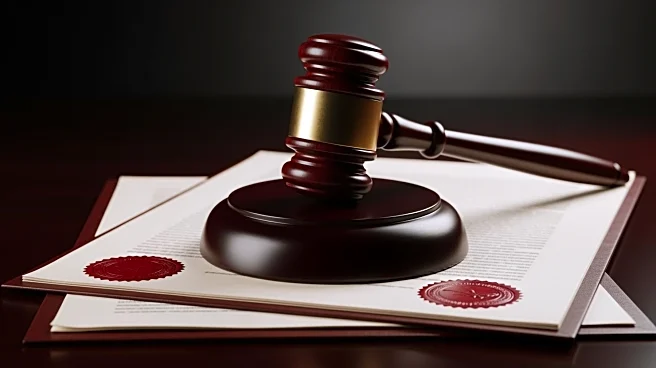
The Justice Department is appealing a federal judge's decision to dismiss criminal charges against former FBI Director James Comey and New York Attorney General Letitia James. The dismissals were based
on the finding that Lindsey Halligan, a Trump loyalist and first-time prosecutor, was unconstitutionally appointed. Halligan, who had no prior prosecutorial experience, was appointed as the top federal attorney for the Eastern District of Virginia. She presented the cases against Comey and James to a grand jury just before the statute of limitations expired. Comey was charged with making a false statement to Congress and obstructing a congressional investigation, while James faced charges of bank fraud and making a false statement to a financial institution. Both pleaded not guilty. The judge ruled that Halligan's appointment violated federal statutes, as she was not confirmed by the Senate within the required timeframe.
Why It's Important?
This case highlights significant issues within the Justice Department regarding the appointment of U.S. attorneys. The dismissal of these high-profile indictments underscores the potential legal and procedural challenges faced by the department, particularly when appointments are made without Senate confirmation. The appeal by the Justice Department indicates its commitment to pursuing these cases despite procedural setbacks. The outcome of this appeal could have broader implications for how U.S. attorneys are appointed and the validity of their actions if not properly confirmed. Additionally, the cases against Comey and James have political undertones, given President Trump's previous calls for their prosecution, which adds a layer of complexity to the legal proceedings.
What's Next?
The Justice Department's appeal will proceed through the courts, and its outcome could set a precedent for future appointments of U.S. attorneys. If the appeal is successful, it may lead to a re-evaluation of the cases against Comey and James. The department may also need to address similar issues in other states where appointments have been challenged. The political implications of these cases may continue to influence public perception and the actions of involved parties. Observers will be watching closely to see how the courts handle the appeal and whether it affects the broader legal landscape regarding the appointment of federal prosecutors.