



What's Happening?
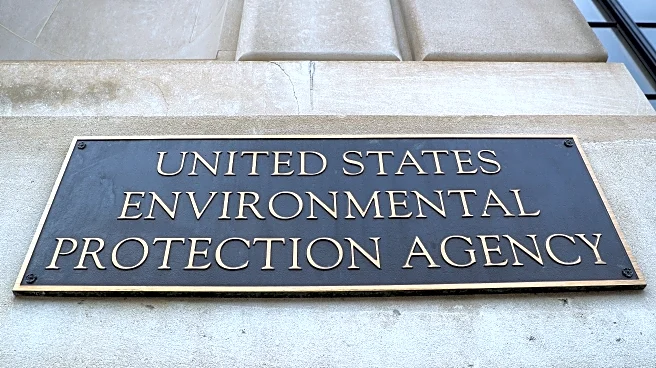
The Independent Petroleum Association of America (IPAA) has expressed support for the U.S. Environmental Protection Agency's (EPA) decision to repeal the 2009 endangerment finding. This finding previously allowed the EPA to regulate greenhouse gas emissions
under the Clean Air Act. The IPAA believes that this repeal will streamline regulations and provide greater regulatory certainty for independent oil and gas producers. According to IPAA President and CEO Edith Naegele, a consistent and durable regulatory framework is essential for long-term investment and operational planning in the industry. The EPA's action is seen as a response to what the Trump administration views as regulatory overreach concerning vehicle emissions standards and broader greenhouse gas policies.
Why It's Important?
The repeal of the endangerment finding marks a significant shift in U.S. emissions policy, potentially impacting the regulatory landscape for the oil and gas industry. By removing the EPA's authority to regulate greenhouse gases, the decision could lead to increased emissions from stationary sources, affecting environmental and public health. However, the IPAA argues that the move will enhance investment confidence and operational stability by providing clear and predictable rules. This development is likely to draw attention from various stakeholders, including policymakers, environmental groups, and the oil and gas sector, as they assess the implications for emissions control and climate change mitigation efforts.
What's Next?
As the EPA's decision unfolds, it is expected to face legal challenges from environmental groups and other stakeholders who advocate for stringent emissions regulations. The oil and gas industry will likely monitor the implementation details closely to understand the full impact on their operations. Policymakers may also consider alternative approaches to address emissions and climate change, balancing economic interests with environmental protection. The outcome of these developments could influence future regulatory actions and the broader debate on climate policy in the United States.