

What's Happening?
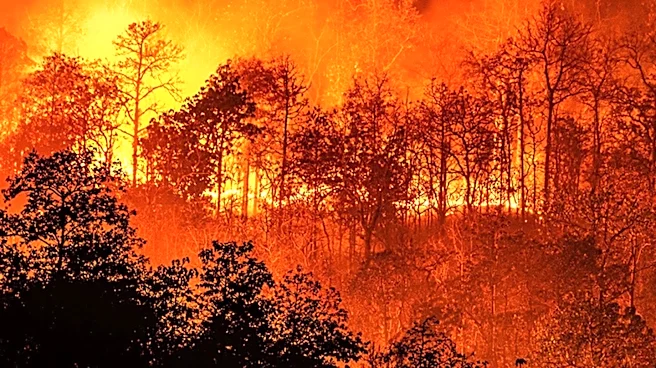
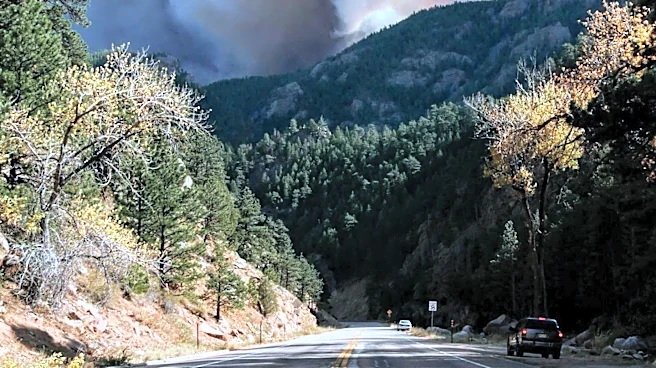
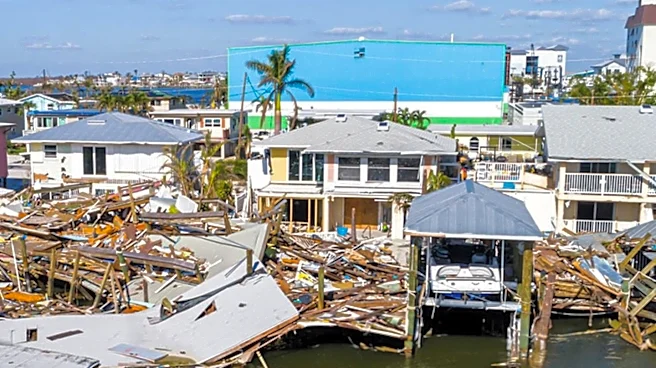
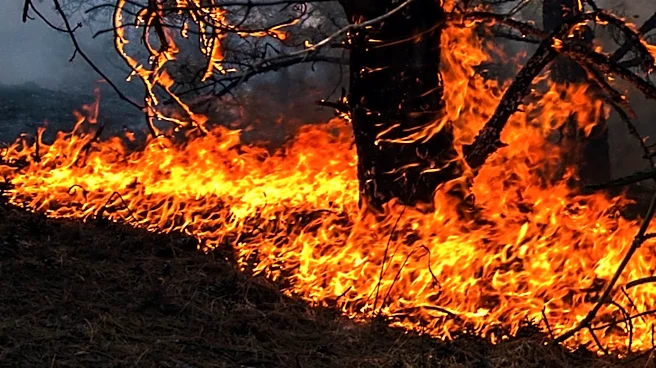
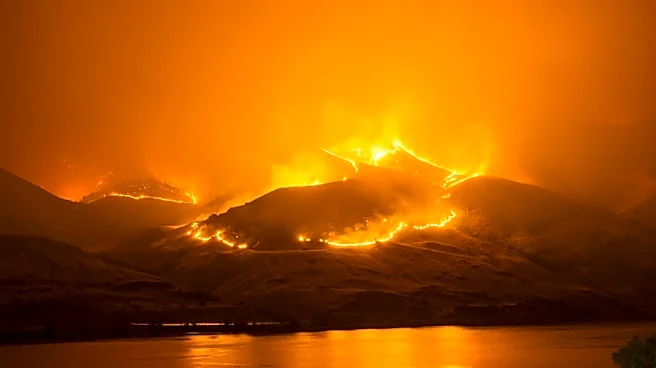
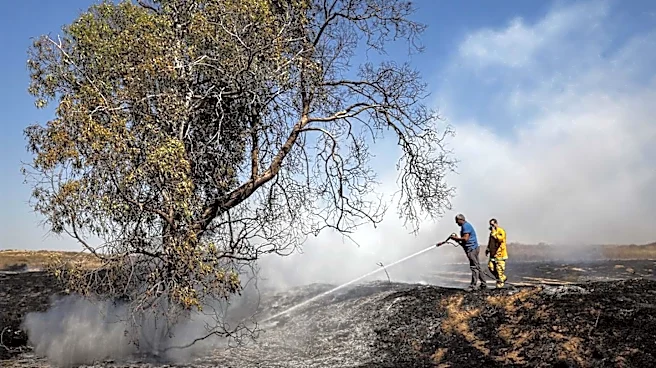
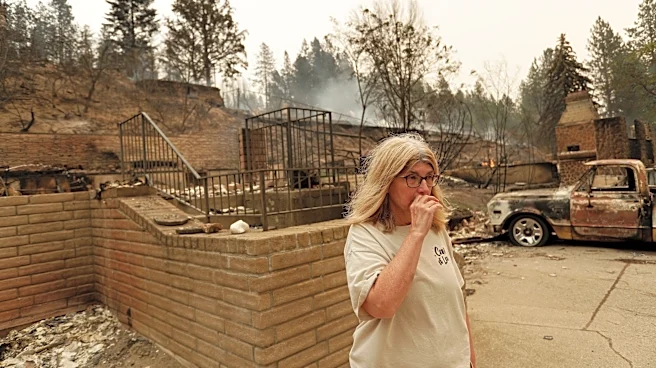
Spokane, Washington is facing a severe wildfire crisis, with nearly half of the city's neighborhoods either evacuated or at risk. The fires have destroyed homes and consumed approximately 12 square miles. Spokane Mayor Lisa Brown described the situation
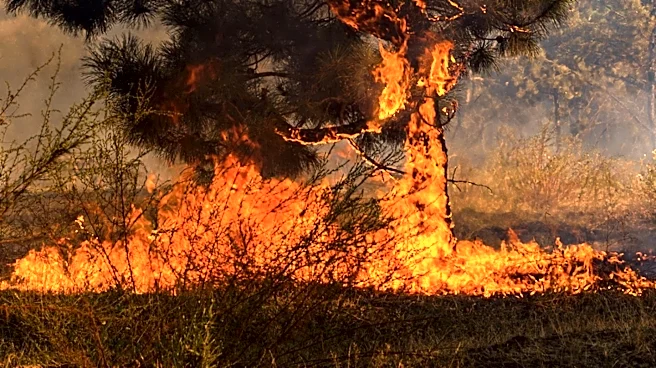
as unprecedented, noting that while the city has experienced wildfires before, the current scale is unmatched. The largest fire, the Old Trails Fire, has burned over 3,600 acres. Despite cooler temperatures that could aid firefighting efforts, the fires remain uncontained, and there is no rain forecasted. The wildfires have been fueled by high winds and dry conditions, leading to the destruction of around 600 homes and the evacuation of approximately 60,000 people. Local and out-of-state firefighters are working to control the blazes, with no reported deaths or injuries so far.
Why It's Important?
The wildfires in Spokane highlight the increasing frequency and intensity of such events, likely exacerbated by climate change. This situation underscores the urgent need for effective wildfire management and climate adaptation strategies. The destruction of homes and the displacement of thousands of residents have significant social and economic impacts, straining local resources and emergency services. The fires also pose a threat to public health due to smoke and air quality issues. The response to this crisis will be critical in shaping future policies and preparedness plans for similar events, emphasizing the importance of addressing climate-related risks at both local and national levels.
What's Next?
Efforts to contain the wildfires will continue, with firefighters hoping for favorable weather conditions to aid their work. Local, state, and federal officials, including Washington Governor Bob Ferguson, are coordinating to provide disaster assistance and support to affected residents. The situation remains dynamic, with potential for further evacuations if the fires spread. Long-term, this event may prompt discussions on improving infrastructure resilience and emergency response capabilities, as well as revisiting land management practices to mitigate future wildfire risks.