







What's Happening?
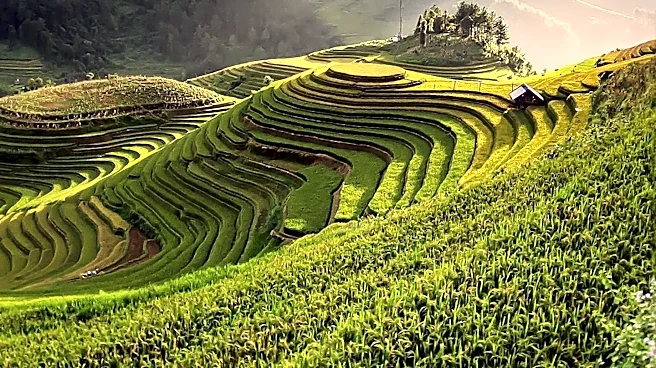
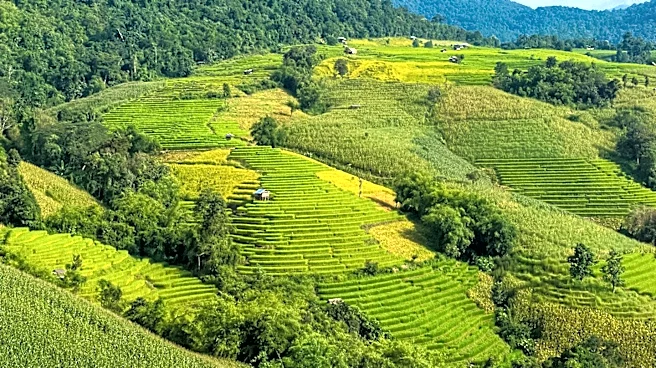
A recent study by the Singapore Food Agency and the National University of Singapore indicates that climate change is expected to significantly reduce the production of key crops across Southeast Asia. The study projects declines in rice, maize, and sugarcane
yields. Specifically, average rice production is anticipated to fall by 3% to 5% between 2025 and 2044. Maize output could decrease by 5% to 6%, and sugarcane production by 1% to 4%. The research also highlights that very strong El Niño events could lead to an overall reduction in average crop production across the region by up to 10%, with rice and rain-fed farming systems being particularly vulnerable. Conversely, cassava production is projected to increase by 16%, and soybean output could rise by 11% to 13%. Despite some favorable projections, the report warns that all crops remain susceptible to climate variability, including extreme heat, heavy rainfall, or drought.
Why It's Important?
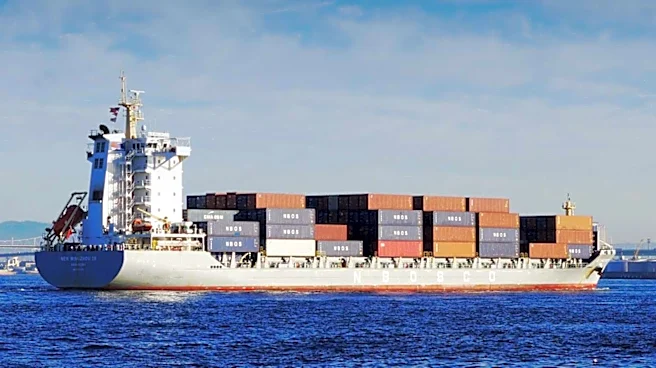
The projected decline in key crop production in Southeast Asia carries significant implications for global food security and trade, including for the U.S. as a major agricultural exporter and importer. Reduced yields in a region critical for rice and other staples could lead to increased international prices, affecting U.S. consumers and potentially creating new market opportunities or challenges for American agricultural producers. The vulnerability of rain-fed farming systems to El Niño events underscores the need for resilient agricultural practices and international cooperation on climate adaptation. While some crops like cassava and soybeans are projected to increase, the overall instability in food production could disrupt supply chains and necessitate adjustments in global food policies and aid strategies, impacting U.S. foreign policy and humanitarian efforts.
What's Next?
In response to these projections, Southeast Asian nations may accelerate efforts to develop climate-resilient agricultural practices, invest in drought-resistant crop varieties, and enhance water management systems. International organizations and countries, including the U.S., may increase funding and technical assistance for climate adaptation in the region. There could be a shift in agricultural focus towards crops projected to perform better, such as cassava and soybeans, potentially altering regional agricultural landscapes and trade patterns. Policymakers may also explore strategies to mitigate the impact of extreme weather events on food supply, possibly through regional food reserves or diversified import sources. The findings will likely inform future climate change negotiations and agricultural development programs.
Beyond the Headlines
The study's findings highlight the complex and interconnected nature of climate change impacts on global food systems. Beyond direct crop yield reductions, the increased frequency and duration of heatwaves and variable rainfall could exacerbate socio-economic inequalities, particularly among smallholder farmers who are most dependent on rain-fed agriculture. This could lead to internal migration, regional instability, and increased pressure on urban centers. The projected shifts in crop production also raise questions about dietary changes and nutritional security in the region. Furthermore, the report underscores the ethical imperative for developed nations, including the U.S., to support climate mitigation and adaptation efforts in vulnerable regions, recognizing that climate impacts in one part of the world can have ripple effects globally.