



What's Happening?
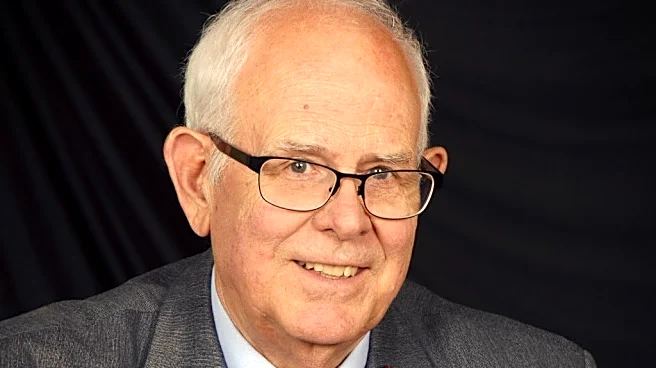
U.S. Representative Max Miller and his former girlfriend, Stephanie Grisham, a former White House press secretary, have been ordered by a Cuyahoga County judge to remove objectionable social media posts. This ruling follows a hearing where both parties
sought injunctive relief. The judge's decision stems from a confidential 2023 settlement agreement between Miller and Grisham, which stipulated that neither would make disparaging remarks about the other. Grisham initiated the lawsuit, alleging that Miller violated this agreement through his social media activity and interviews. Miller, in turn, filed a counterclaim, asserting that Grisham also breached the settlement. During their testimonies, Miller stated he did not understand the prohibition against disparaging remarks, while Grisham claimed her posts were not directed at him. The settlement includes a provision for damages of $1 million per violation, indicating the high stakes involved in this dispute. The legal proceedings highlight ongoing personal and political tensions between the two individuals.
Why It's Important?
This judicial order carries significant implications, particularly for public figures and the enforceability of private settlement agreements in the digital age. For U.S. Representative Max Miller, the injunction comes at a critical juncture as he faces scrutiny over abuse allegations from his ex-wife and prepares for a November election. The legal battle and the associated negative publicity could impact his political standing and re-election campaign. The case also underscores the challenges public figures face in managing their personal lives and reputations, especially when past relationships and confidential agreements intersect with their public roles. The $1 million per violation clause in the settlement agreement sets a precedent for substantial financial consequences for breaches of such non-disparagement clauses, potentially influencing how similar agreements are drafted and enforced in the future. This situation also raises questions about the interpretation of 'disparaging remarks' in the context of social media, where posts can be easily misconstrued or recontextualized by others, further complicating compliance for public figures.
What's Next?
Following the judge's order, both U.S. Representative Max Miller and Stephanie Grisham are required to remove the specified social media posts. The ongoing legal dispute, particularly concerning the $1 million per violation clause, suggests that further legal actions or negotiations may occur to resolve the financial implications of the alleged breaches. The outcome of this case could influence future conduct between the parties and potentially set a precedent for how similar non-disparagement agreements are enforced among public figures. For Miller, the timing of this injunction, amidst his re-election campaign and separate abuse allegations from his ex-wife, means continued public and media attention. His political opponents and the public will likely monitor his compliance with the order and any further developments in the lawsuit. Grisham, as a political consultant and commentator, will also face scrutiny regarding her adherence to the injunction and her public statements moving forward. The case may also prompt a re-evaluation of how public figures and their legal teams manage social media communications, especially when bound by confidentiality agreements.
Beyond the Headlines
The legal battle between U.S. Representative Max Miller and Stephanie Grisham delves into deeper ethical and legal considerations surrounding privacy, public image, and the boundaries of free speech for public figures. The confidential settlement's non-disparagement clause, with its hefty penalty, highlights the increasing trend of using legal agreements to control narratives and protect reputations, even in personal matters. This raises questions about the extent to which such agreements can or should limit public discourse, especially when one party is a sitting member of Congress. The case also touches upon the complexities of social media in legal contexts, where the intent behind a post can be ambiguous and its interpretation subjective. The judge's decision to grant injunctions against both parties suggests a recognition of mutual responsibility in upholding the agreement, regardless of individual interpretations of its terms. This situation could contribute to a broader discussion about the ethical responsibilities of public figures in their personal and digital interactions, and how the legal system adapts to the evolving landscape of online communication and reputation management.