





What's Happening?
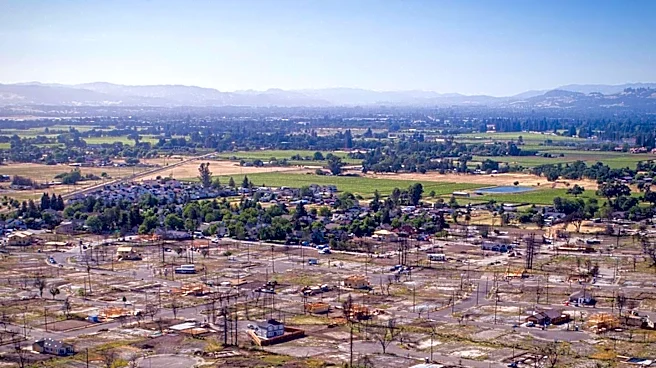
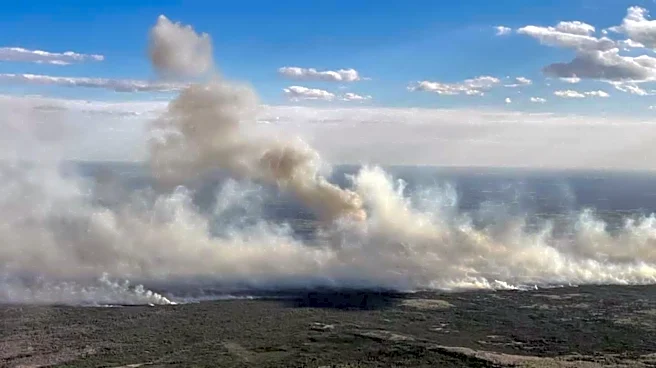
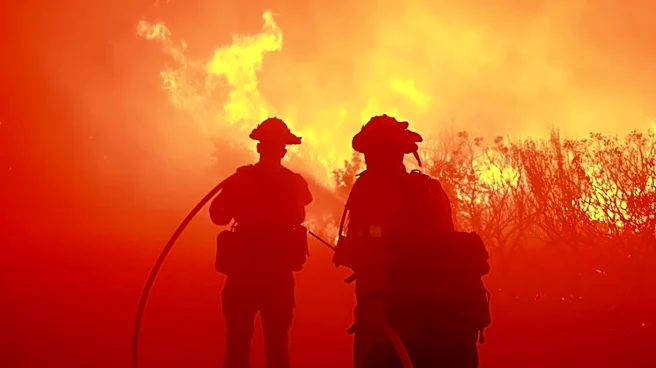
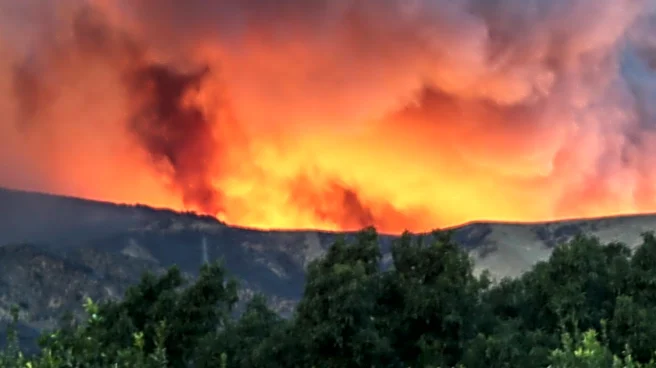
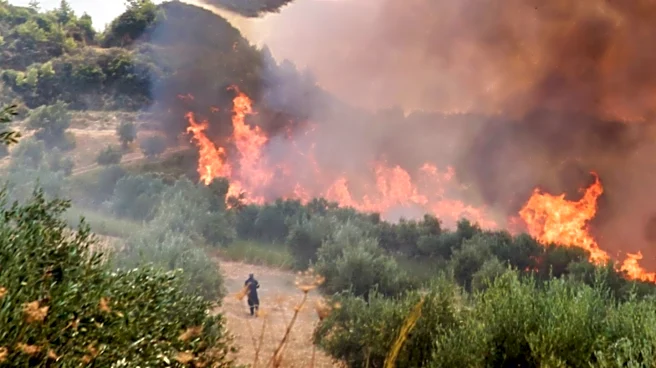
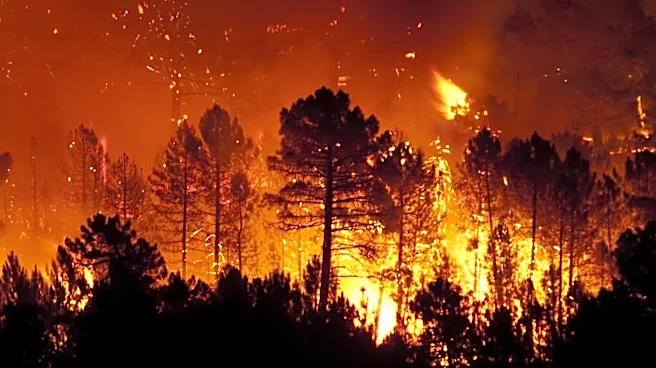
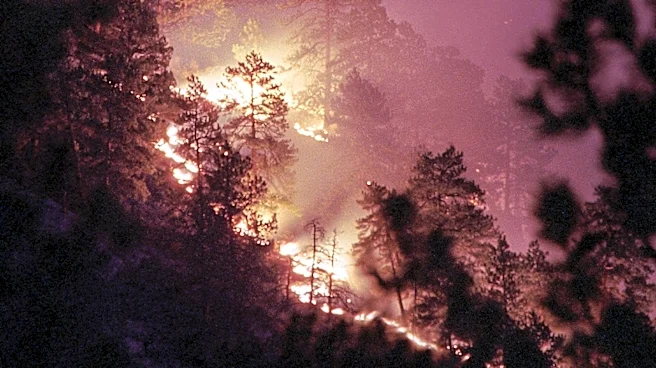
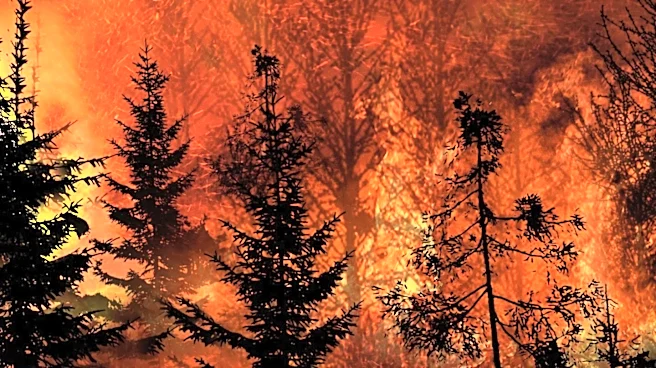
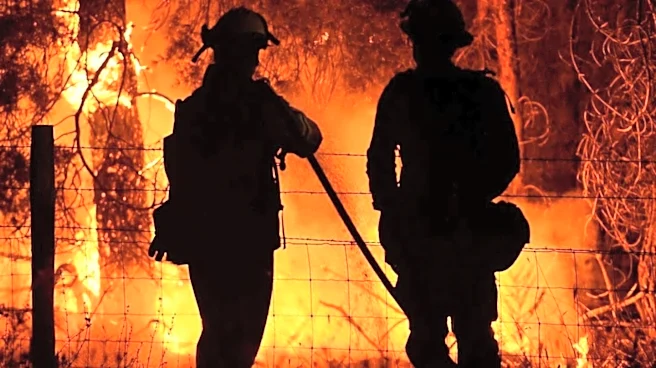
Five wildfires in Colorado have collectively burned nearly 125,000 acres, with the Aspen Acres fire being the largest at 47,953 acres. This fire has been declared the top priority in the nation, prompting a significant mobilization of firefighting resources.
The fires have led to mandatory evacuations in several areas, including Turquoise Lake and parts of Pueblo and Custer counties. The Gold Mountain fire, another major blaze, has burned 18,005 acres and remains uncontained. The cause of these fires is under investigation, and efforts are underway to manage and contain them.
Why It's Important?
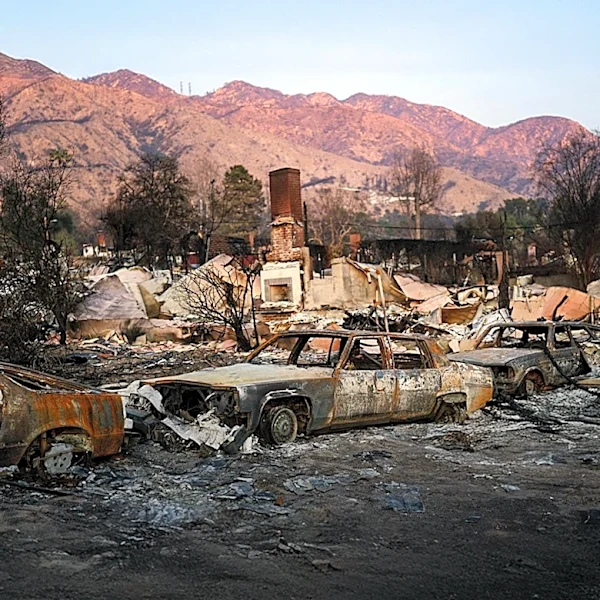
The scale and intensity of these wildfires highlight the ongoing challenges posed by fire management in Colorado, a state prone to such natural disasters. The fires threaten homes, infrastructure, and natural resources, necessitating large-scale evacuations and emergency responses. The economic impact is significant, with potential losses in property and increased costs for firefighting efforts. The situation underscores the need for effective fire prevention strategies and resource allocation to protect communities and mitigate the effects of climate-related disasters.
What's Next?
Efforts to contain the fires will continue, with additional resources being deployed to the most critical areas. Authorities will focus on protecting lives and property while working to control the spread of the fires. Evacuated residents will need support and resources as they await the opportunity to return home. Long-term, there will be a need for recovery and rebuilding efforts, as well as discussions on improving fire management and prevention strategies to better prepare for future incidents.