






What's Happening?
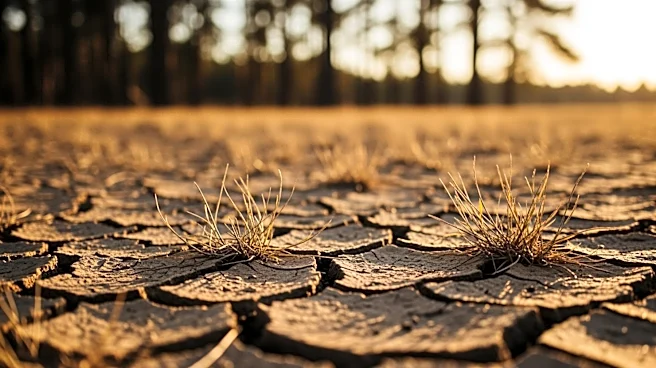
The Small Business Administration (SBA) has announced the availability of low-interest federal disaster loans for small businesses and private nonprofits in Colorado affected by drought conditions. This initiative is aimed at providing financial relief
to entities that have suffered economic losses due to the drought that began on November 1, 2025. Eligible businesses, including small agricultural cooperatives and nurseries, can apply for loans up to $2 million with interest rates as low as 4% for small businesses and 3.625% for private nonprofits. The loans are intended to cover working capital needs such as fixed debts, payroll, and other expenses that could not be met due to the drought. Importantly, interest on these loans does not accrue, and payments are deferred for 12 months after the first disbursement.
Why It's Important?
This loan program is crucial for the economic stability of small businesses and nonprofits in Colorado, which have been adversely affected by prolonged drought conditions. By providing financial assistance, the SBA aims to help these entities maintain operations and retain employees, thereby supporting local economies. The availability of such loans can prevent business closures and job losses, which are critical concerns in rural and agricultural communities heavily impacted by environmental challenges. Additionally, the program underscores the federal government's role in disaster recovery and economic resilience, highlighting the importance of accessible financial support in mitigating the effects of natural disasters on small businesses.
What's Next?
Eligible businesses and nonprofits are encouraged to apply for the loans by December 7. The SBA will continue to process applications and provide support to ensure that affected entities receive the necessary financial aid. As the drought persists, the SBA may consider extending or expanding the program to accommodate additional needs. Stakeholders, including local governments and business associations, are likely to monitor the program's impact and advocate for further assistance if required.