






What's Happening?
Residents in Los Angeles are experiencing a significant surge in their utility bills, with many customers reporting charges substantially higher than previous billing cycles. For instance, Canter’s Deli received a bill of $35,700, an increase of nearly
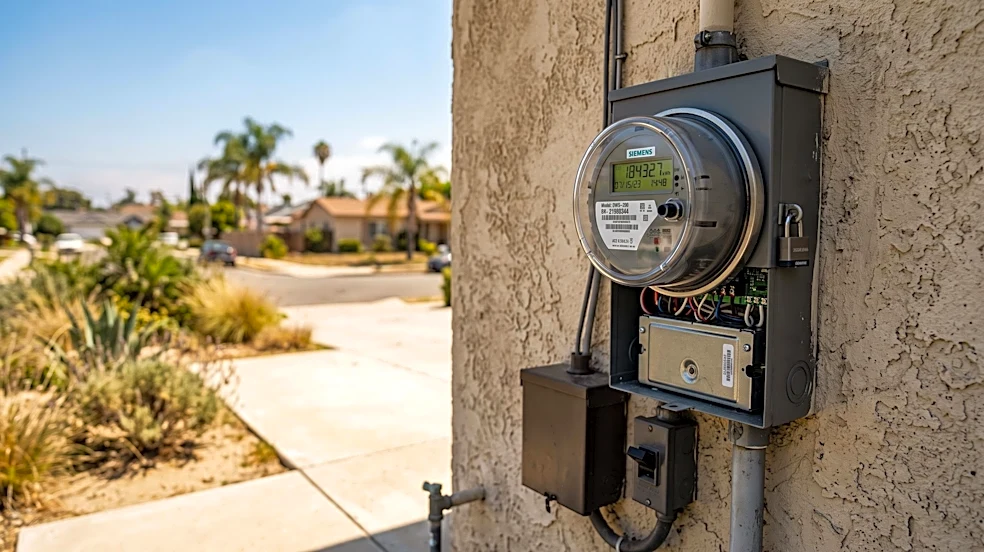
$11,000 from four months prior. A San Fernando Valley resident, whose electric bill for a 2,500-square-foot home reached $2,115, initiated a petition calling for a city investigation and tier adjustments, which has garnered over 28,000 signatures. City Controller Kenneth Mejia has announced an investigation into these complaints. The Los Angeles Department of Water and Power (DWP) attributes these elevated costs primarily to record-breaking summer heat, which led to increased power consumption for air conditioning. The DWP operates on a three-tier pricing structure that changes seasonally, with higher tiers incurring more expensive electricity rates, particularly from June through September. As residents use more power, they are moved into these higher-cost tiers.
Why It's Important?
The dramatic increase in utility bills in Los Angeles highlights a growing concern for household budgets and local businesses, particularly in the face of extreme weather events. For residents, these unexpected and substantial costs can strain personal finances, potentially leading to difficult choices between essential services. For businesses like Canter’s Deli, such spikes can significantly impact operational costs and profitability, potentially leading to price increases for consumers or even business closures. The situation also underscores the challenges utilities face in balancing infrastructure costs, energy demand, and consumer affordability, especially as climate change contributes to more frequent and intense heat waves. The public outcry and subsequent city investigation indicate a broader societal concern about transparency and fairness in utility pricing, and the need for effective strategies to manage energy consumption and costs during peak demand periods.
What's Next?
City Controller Kenneth Mejia has committed to investigating the rising utility bills, which could lead to recommendations for policy changes or adjustments to the DWP’s billing practices. Residents can expect further scrutiny of the DWP’s tier system and rate structures. The DWP recommends several measures to help control electricity use, such as setting air conditioners to 78 degrees, closing curtains during peak sun hours, and utilizing fans. They also offer payment options, assistance programs for those struggling to pay, and energy-efficiency incentives like rebates for attic insulation and efficient equipment. Additionally, the recently signed Plug and Play Solar Act by Governor Gavin Newsom will soon allow Californians to install small plug-in solar panels without extensive utility permissions, potentially offering a new avenue for residents to reduce their electricity bills. Further heat waves are anticipated, suggesting that residents may continue to face high bills in the near future.
Beyond the Headlines
The situation in Los Angeles reflects a broader national and global challenge concerning energy infrastructure, climate change, and consumer protection. The reliance on tiered pricing structures, while intended to encourage conservation, can disproportionately impact residents during extreme weather, turning essential cooling into a luxury. This raises ethical questions about equitable access to basic utilities and the social responsibility of utility providers. The push for investigations and legislative solutions, such as the Plug and Play Solar Act, points to a growing demand for innovative and accessible energy solutions that empower consumers and mitigate the financial burden of climate change. The long-term implications could include accelerated adoption of renewable energy sources, increased investment in smart grid technologies, and a re-evaluation of utility rate structures to better accommodate environmental realities and economic fairness.