









What's Happening?
The U.S. military is at a critical juncture as it continues to invest heavily in traditional, manned combat systems despite the growing effectiveness of unmanned vehicles in modern warfare. Recent conflicts, such as those in Ukraine and Iran, have demonstrated
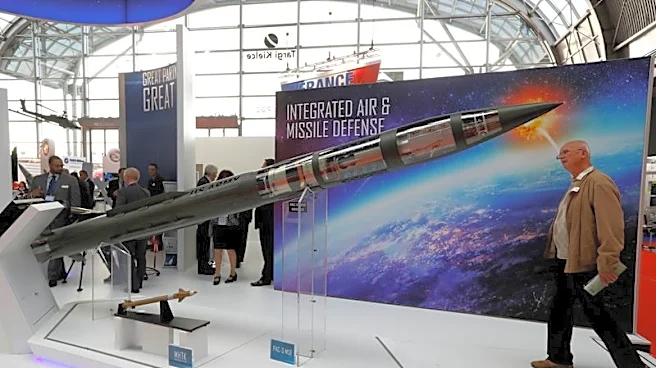
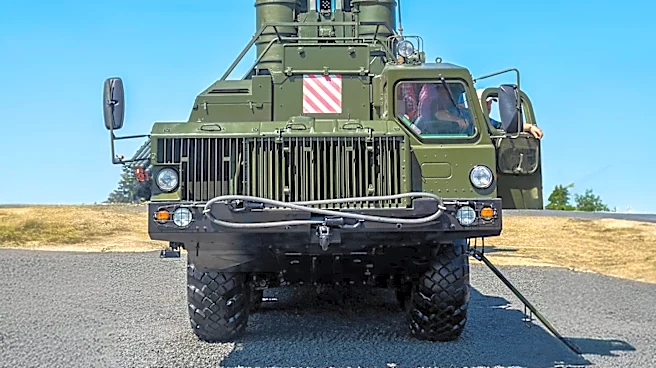
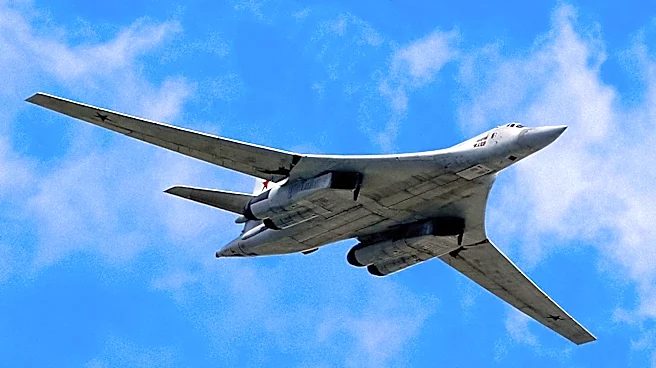
the vulnerabilities of expensive tanks, aircraft, and ships against cheaper, unmanned systems like drones. Despite these developments, the Pentagon remains committed to costly projects like the Boeing F-47 fighter jet, which is not expected to be operational until after 2031. This approach mirrors other global powers, such as France, Germany, and China, which are also investing in traditional military hardware. The reliance on legacy systems is seen as a resistance to change within military bureaucracies and defense contractors, who prefer familiar technologies.
Why It's Important?
The continued investment in traditional military systems by the U.S. and other nations could divert resources from more efficient, unmanned technologies that are proving to be more effective in modern conflicts. This could impact the U.S. military's ability to adapt to new forms of warfare, potentially putting it at a disadvantage. The shift towards unmanned systems represents a significant change in military strategy, emphasizing the need for innovation and adaptation. The reluctance to embrace these changes could have long-term implications for national security and defense spending, as well as the global balance of military power.
What's Next?
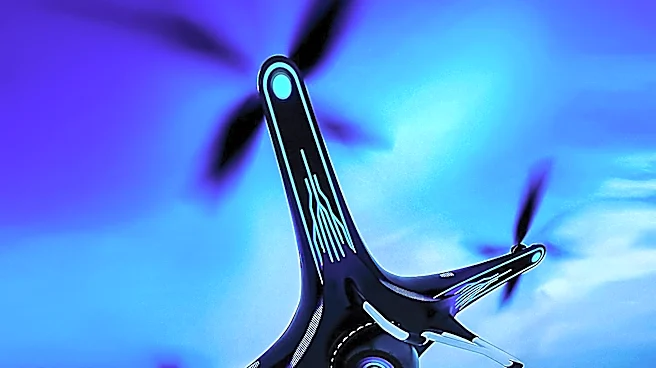
As the U.S. military continues to evaluate its strategic priorities, there may be increased pressure to shift funding towards unmanned systems and artificial intelligence-driven technologies. This could lead to a reevaluation of current defense contracts and procurement strategies. Additionally, there may be a growing debate within military and political circles about the ethical implications of autonomous weapons systems and the role of human oversight in warfare. The outcome of these discussions could shape the future of military operations and defense policy.
Beyond the Headlines
The transition to unmanned systems raises ethical and legal questions about the role of artificial intelligence in warfare. The potential for machines to make life-and-death decisions autonomously challenges traditional notions of accountability and human oversight. This shift also reflects broader technological trends, as militaries worldwide grapple with the implications of digital warfare. The U.S. military's response to these challenges will likely influence global military strategies and the development of international norms regarding the use of autonomous weapons.