



What's Happening?
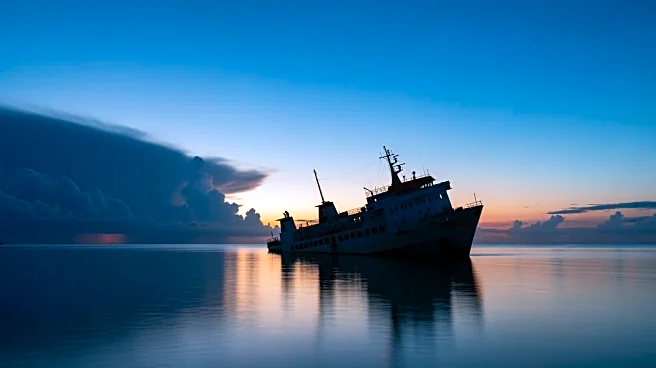
The Philippine Coast Guard has confirmed that the death toll from the sinking of the ferry Trisha Kerstin 3 has risen to 40, following the recovery of three additional bodies near Basilan. The ferry, which capsized on January 25, was en route from Zamboanga
City to Jolo, Sulu. The incident has raised questions about the number of passengers on board, as the total count of survivors and fatalities suggests more people were aboard than initially reported. The Maritime Industry Authority (MARINA) is investigating the incident, citing early signs of serious violations by the operating company, which has a history of over 30 incidents, including the loss of two other ships in the same region. Allegations have surfaced that the vessel may have been switched out for the voyage, and survivors reported a shortage of life vests, with some compartments locked.
Why It's Important?
This incident highlights significant safety concerns in the maritime industry, particularly in Southeast Asia, where carrying undocumented passengers is common. The potential violations by the ferry's operating company underscore the need for stricter regulatory oversight and enforcement to prevent future tragedies. The loss of life and the operational history of the company involved could lead to increased scrutiny and potential policy changes in maritime safety standards. The economic impact on the ferry operator, which has been issued no-sail orders, could be substantial, affecting its business operations and the livelihoods of those dependent on its services.
What's Next?
The ongoing investigation by MARINA will likely lead to further revelations about the causes of the sinking and the operating practices of the ferry company. Depending on the findings, there could be legal and regulatory consequences, including fines, revocation of licenses, or criminal charges. Other ferry operators in the region may also face increased inspections and regulatory compliance checks. The incident may prompt broader discussions on improving maritime safety standards and passenger accountability in the region.
Beyond the Headlines
The tragedy underscores the broader issue of maritime safety in developing regions, where economic pressures and lax enforcement can lead to dangerous practices. The potential switching of vessels and locked life vest compartments point to systemic issues that need addressing. This incident could serve as a catalyst for international cooperation in enhancing maritime safety protocols and sharing best practices to prevent similar occurrences in the future.