










What's Happening?
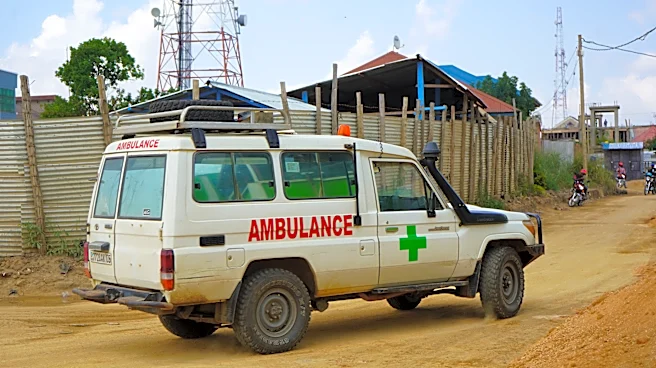
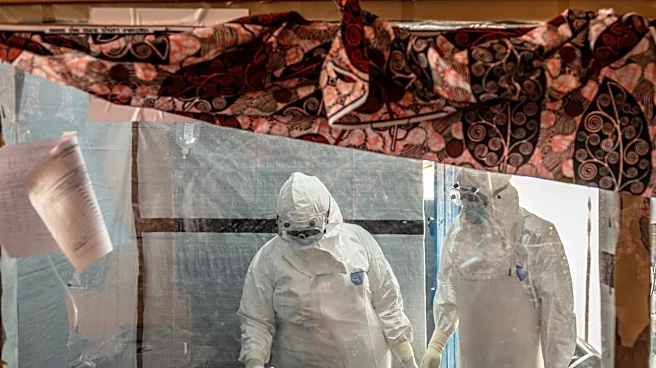
The Democratic Republic of Congo is experiencing a severe Ebola outbreak, with at least 930 deaths reported by the country's Ministry of Health. The outbreak, which began in May, is the fastest-growing on record and is caused by the Bundibugyo virus,
a less common strain of Ebola. The disease is highly contagious, spreading through contact with bodily fluids and contaminated materials. The outbreak has affected five provinces in eastern Congo, an area already plagued by rebel violence. Efforts to contain the virus have been hampered by safety concerns, with health workers facing attacks and protests over unpaid wages. The World Health Organization has expressed concern over the rapid spread, noting that many new cases are emerging from unknown transmission chains.
Why It's Important?
The Ebola outbreak in Congo poses a significant public health challenge, not only for the country but also for the international community. The high mortality rate and rapid spread of the virus highlight the urgent need for effective containment measures and international support. The outbreak's impact is exacerbated by the region's instability, which complicates response efforts and endangers health workers. The situation underscores the importance of global health security and the need for robust systems to detect and respond to infectious disease outbreaks. The lack of an approved vaccine or treatment for the Bundibugyo strain further complicates efforts to control the outbreak.
What's Next?
The international community is likely to increase support for Congo's efforts to contain the outbreak, including providing resources and expertise. The World Health Organization and other health agencies may intensify their response, focusing on improving surveillance and treatment capacities. There may also be a push for accelerated research into vaccines and treatments for the Bundibugyo strain. The situation could prompt discussions on strengthening global health systems to better prepare for and respond to future outbreaks. Additionally, addressing the underlying issues of violence and instability in the affected regions will be crucial for long-term health security.