





What's Happening?
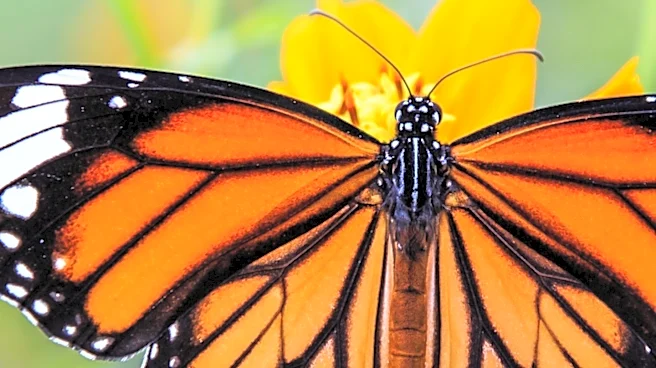
Conservationists and plant experts are emphasizing the critical role of late-season nectar plants and milkweed in supporting the endangered monarch butterfly population, particularly during their annual migration. Monarch butterflies undertake an epic
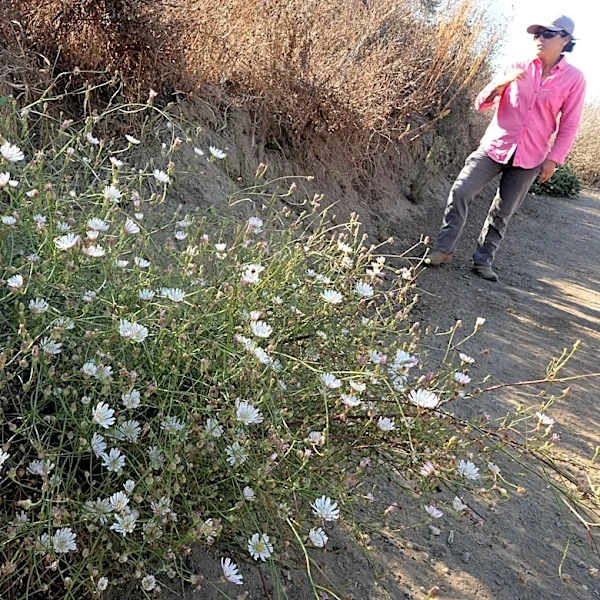
journey of thousands of miles along the U.S. East and West coasts to reach their breeding grounds in Mexico and California. This migration is heavily reliant on readily available, calorie-rich nectar sources. Experts like Tabar Gifford, a Master Gardener, and Tad Yankoski, an entomologist at the Missouri Botanical Garden's Butterfly House, highlight the need for a continuous supply of blooming plants throughout the season, rather than just a single 'perfect monarch plant.' Native, fall-blooming perennial wildflowers such as Goldenrod and Asters are particularly beneficial as they provide essential nectar when monarchs need it most. Additionally, milkweed is crucial as it is the sole host plant for monarch butterfly eggs, meaning the monarch life cycle cannot begin without it. Female monarchs lay only one egg per milkweed plant to ensure sufficient food for their offspring.
Why It's Important?
The decline of monarch butterfly populations is a significant environmental concern, reflecting broader issues of habitat loss and pesticide use. The monarch migration is a natural phenomenon that contributes to ecosystem health through pollination. Supporting monarch butterflies by planting appropriate flora in residential and public spaces helps to bridge the gap created by diminishing wild reserves, effectively creating habitat corridors. This effort is vital for maintaining biodiversity and the ecological balance that these pollinators contribute to. The emphasis on native plants also promotes local ecosystems and reduces the need for chemical interventions. The involvement of individuals in these conservation efforts demonstrates a growing public awareness and commitment to environmental stewardship, which can influence broader policy decisions regarding land use and pesticide regulation. The success of monarch conservation can serve as a model for protecting other endangered pollinator species.
What's Next?
Individuals and communities are encouraged to continue planting late-season nectar plants and native milkweed to support monarch butterflies. Conservation groups like Monarch Watch offer tagging programs that allow the public to participate in tracking the migration, providing valuable data for research. Further educational initiatives will likely focus on raising awareness about the detrimental effects of pesticides on pollinators and promoting natural pest control methods. Experts suggest creating layered habitats that include warm, sunny basking spots and sheltered areas, in addition to nectar sources. The concept of 'messy' gardens, which allow plants to mingle and provide natural debris, is also being promoted as beneficial for pollinators. Continued research into monarch migration patterns and habitat needs will inform future conservation strategies, potentially leading to more targeted and effective interventions at both local and national levels.
Beyond the Headlines
The plight of the monarch butterfly extends beyond a single species; it symbolizes the broader ecological challenges faced by many insect populations due to human activity. The call for 'messy' gardens and the avoidance of pesticides highlights a shift in gardening philosophy, moving away from manicured landscapes towards more natural, biodiverse environments. This change in aesthetic preference reflects a deeper understanding of ecological interconnectedness and the value of wild spaces, even within urban and suburban settings. The collective action of planting specific flora for monarchs fosters a sense of community responsibility and environmental activism. Furthermore, the monarch's migration serves as a powerful reminder of the interconnectedness of ecosystems across vast geographical areas, underscoring the need for international cooperation in conservation efforts. The focus on native plants also reinforces the importance of preserving regional biodiversity and traditional ecological knowledge.