






What's Happening?
An internal document from the Israeli National Security Council has exposed persistent failures within the system responsible for securing foreign flights to and from Israel. The document indicates that the Ministry of Transportation has not fulfilled
its responsibilities in this area, despite a cabinet decision on July 25, 2021, to transfer the responsibility from the Israel Security Agency (Shin Bet) to the ministry. This transfer included verifying security arrangements in foreign countries. The National Security Council document explicitly states that the Ministry of Transportation is not operating within the framework of this decision, a finding corroborated by a confidential State Comptroller report in May 2024. Following these revelations, the cabinet decided on May 23, 2024, to establish a team, led by the National Security Council and including representatives from the Ministry of Transportation, Civil Aviation Authority, Shin Bet, Mossad, and Ministry of Finance, to review the civil aviation security system and propose modifications. Disagreements within the Ministry of Transportation regarding this responsibility have been noted, with some officials arguing that the task is beyond the department's capabilities due to the level of threats and lack of resources.
Why It's Important?
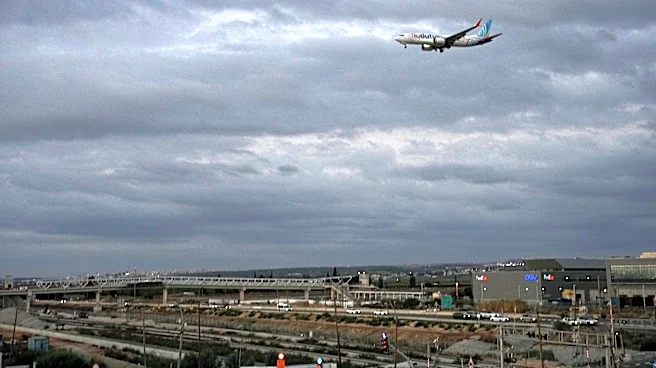
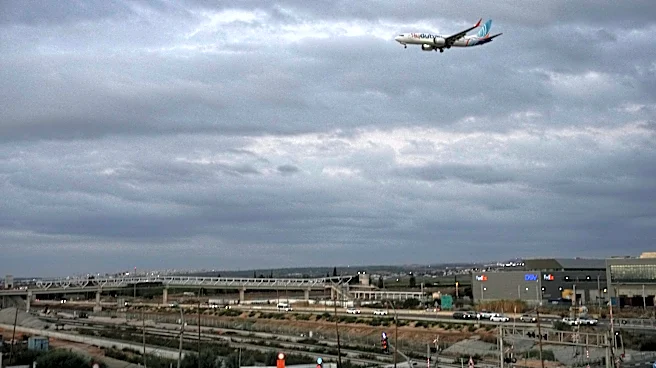
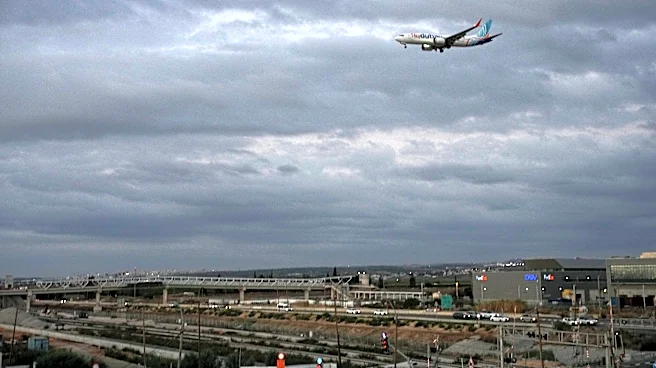
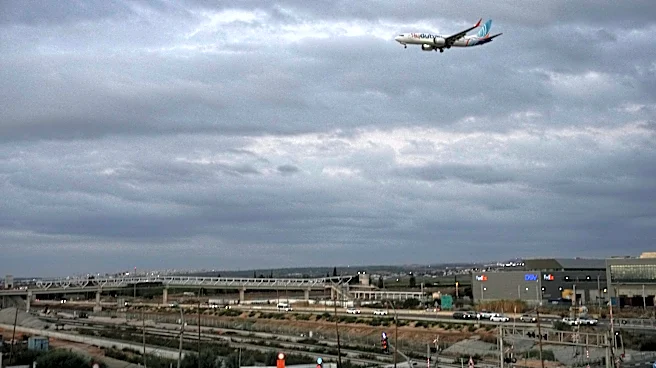
The ongoing failure to adequately secure foreign flights poses significant national security risks for Israel. The transfer of responsibility from a dedicated security agency like Shin Bet to the Ministry of Transportation, without the latter seemingly acquiring the necessary resources or operational capacity, creates a critical vulnerability. This situation could potentially be exploited by malicious actors, as highlighted by the incident involving a Flydubai flight where a co-pilot allegedly attempted a terrorist act. The lack of proper vetting for foreign pilots and crew members, as indicated by the Ministry of Transportation's admission that it does not conduct intelligence background checks, leaves a gap in the security perimeter. This could have severe consequences, including potential terrorist attacks, loss of life, and significant economic disruption to the aviation industry. The dispute over responsibility and resources among government agencies underscores a systemic issue that could undermine public confidence in air travel security and potentially lead to international repercussions if security standards are perceived as lax.
What's Next?
The team formed by the cabinet on May 23, 2024, headed by the National Security Council, is tasked with examining the civil aviation security system and formulating recommendations for its modification. This review is expected to address the identified shortcomings and clarify the division of responsibilities among the various agencies involved. The outcome of this team's work will likely lead to new policies and procedures aimed at strengthening foreign flight security. There will also be continued scrutiny of the Ministry of Transportation's capacity and willingness to undertake these responsibilities, potentially leading to calls for increased funding, personnel, or a re-evaluation of the initial decision to transfer responsibility from Shin Bet. The ongoing investigation into the Flydubai incident will also inform future security measures, particularly concerning the vetting of foreign aircrews and the sharing of intelligence between international partners.
Beyond the Headlines
The revelations extend beyond immediate security concerns, touching upon deeper issues of bureaucratic efficiency, inter-agency cooperation, and the allocation of critical national security resources. The internal disagreements within the Ministry of Transportation and the apparent reluctance of some officials to assume the responsibility for foreign flight security highlight a potential disconnect between policy decisions and practical implementation. This situation raises questions about the effectiveness of government oversight and the mechanisms in place to ensure that critical security mandates are met. Furthermore, the incident underscores the evolving nature of aviation threats, moving beyond traditional external threats to include potential insider threats from airline personnel. This necessitates a re-evaluation of existing security paradigms and a greater emphasis on intelligence sharing and proactive vetting processes, not just at the national level but also through international collaboration with airlines and foreign governments.