







What's Happening?
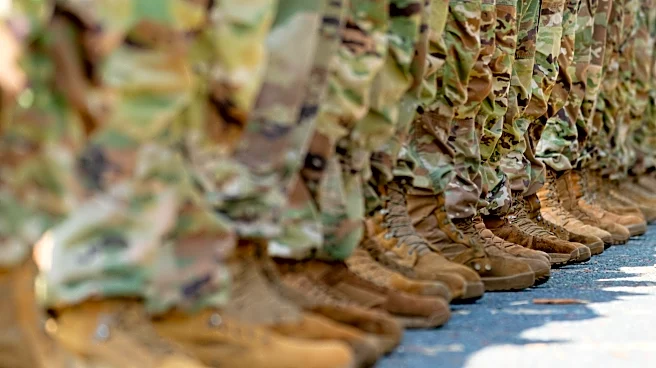
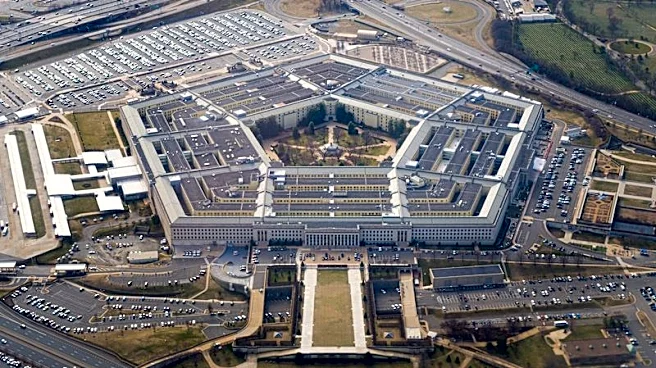
Defense Secretary Pete Hegseth has announced a new plan to incorporate testosterone testing into the annual medical examinations of service members over the age of 30. This initiative, revealed through a video on social media, aims to ensure that service members maintain
optimal testosterone levels to perform at their best. Hegseth highlighted that testosterone levels naturally decline with age, which could impact performance. The proposal has sparked significant backlash, with critics suggesting that it reflects Hegseth's personal insecurities about masculinity. On the talk show 'The View,' co-host Sara Haines humorously criticized the plan, questioning its necessity and suggesting it was an absurd extension of masculine stereotypes. The Department of Defense has yet to provide further details on the implementation of this testing requirement, and it remains unclear if female service members will be included.
Why It's Important?
The introduction of mandatory testosterone testing for military personnel raises questions about the priorities and scientific basis of military health policies. Critics argue that the focus on testosterone levels may not address the broader health and performance needs of service members. This initiative could also lead to debates about gender equality within the military, especially if the testing is not applied uniformly across all genders. The backlash highlights societal concerns about the emphasis on traditional masculinity and its implications for military culture. If implemented, this policy could affect the morale and perception of the military, potentially influencing recruitment and retention of service members.
What's Next?
The Department of Defense is expected to clarify the details of the testosterone testing plan, including its scope and implementation timeline. Stakeholders, including military personnel and advocacy groups, may push for a review of the policy to ensure it aligns with scientific evidence and does not perpetuate gender biases. The military may also face pressure to address broader health and wellness issues that impact service members' performance. Public and political reactions could influence the final decision on whether to proceed with or modify the proposed testing requirements.