







What's Happening?
California has introduced a new incentive program aimed at first-time electric vehicle (EV) buyers, providing a significant advantage to companies like Rivian and Lucid. Governor Gavin Newsom signed the bill, SB 168, which offers a $3,500 incentive for new EV purchases
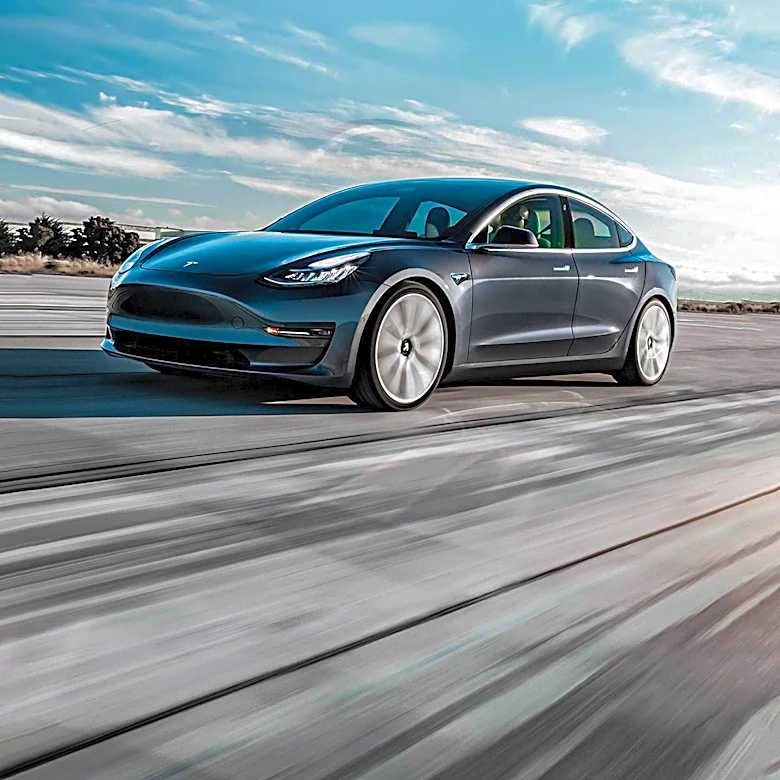
and $1,750 for used ones. The program, named MyFirstEV, is set to launch this summer, although an exact date has not been announced. The initiative includes a price cap for eligible vehicles, with new EVs capped at $50,000 and used ones at $25,000. However, an exemption exists for California-based companies that exclusively manufacture zero-emission vehicles, allowing Rivian and Lucid to participate despite their higher vehicle prices. Rivian's R1T truck and Lucid's luxury Air sedan both exceed the price cap but qualify due to this exemption. Tesla, having moved its headquarters to Austin, Texas, does not qualify for the exemption, although some of its lower-priced models may still be eligible under the program.
Why It's Important?
This incentive program is significant as it aims to boost the adoption of electric vehicles in California, a state known for its stringent environmental policies. By providing financial incentives, the program encourages consumers to transition to cleaner transportation options, potentially reducing emissions and supporting the state's climate goals. The exemption for California-based EV manufacturers like Rivian and Lucid highlights the state's commitment to supporting local businesses and innovation in the green technology sector. This move could enhance the competitiveness of these companies against larger players like Tesla, which is excluded from the exemption due to its relocation. The program also serves as a response to the rollback of federal EV tax credits under the Trump administration, positioning California as a leader in clean energy initiatives.
What's Next?
The California Air Resources Board (CARB) is expected to announce the participating automakers soon, which will clarify the program's reach and impact. As the program rolls out, it will be crucial to monitor consumer response and the effect on EV sales in the state. The success of this initiative could influence other states to adopt similar programs, further accelerating the transition to electric vehicles nationwide. Additionally, the program's impact on the market dynamics between local manufacturers and larger, out-of-state companies like Tesla will be an area of interest.