


What's Happening?
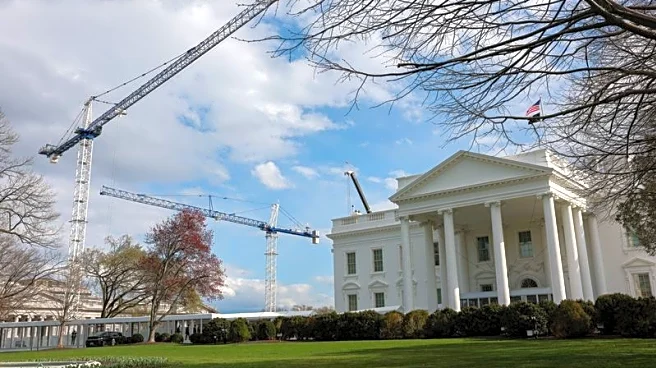
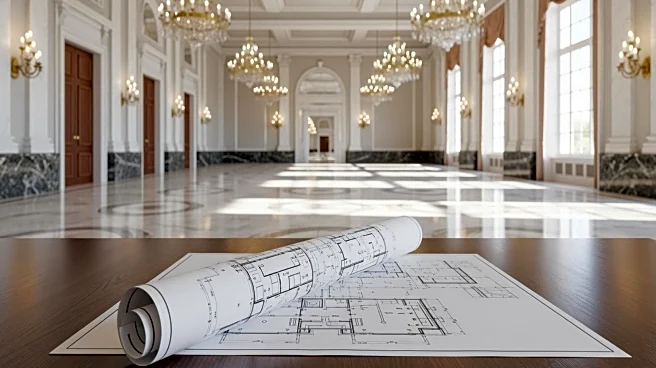
A federal judge has ordered a halt to President Trump's $400 million White House ballroom project until Congress provides statutory authorization. The decision by Judge Richard Leon, appointed by George W. Bush, represents a significant setback for President Trump,
who has been advocating for the construction of a 90,000 square foot ballroom where the East Wing once stood. The National Trust for Historic Preservation filed a lawsuit against the project, arguing that it was initiated without Congressional input. Despite previous allowances for construction to continue, Judge Leon has now mandated a pause, giving President Trump 14 days to appeal the decision. The ballroom project, which Trump claims is under budget and ahead of schedule, has faced criticism and legal challenges, including concerns about its impact on historic preservation.
Why It's Important?
The halt of the White House ballroom project underscores the ongoing tension between executive ambitions and legislative oversight. This development highlights the importance of checks and balances in U.S. governance, as the judiciary enforces the need for Congressional approval on significant federal projects. The decision could have broader implications for how future administrations pursue large-scale renovations or constructions on federal properties. Additionally, the case brings attention to the role of historic preservation in government projects, potentially influencing how similar projects are approached in the future. Stakeholders in historic preservation and federal project management will be closely monitoring the outcome of this legal battle.
What's Next?
President Trump is expected to appeal the federal judge's decision, seeking to continue the ballroom's construction. The appeal process will likely involve further legal arguments regarding the necessity of Congressional approval and the project's compliance with historic preservation standards. Meanwhile, Congress may face pressure to address the authorization of the project, which could lead to legislative discussions or actions. The outcome of this case could set a precedent for how similar projects are handled, influencing both current and future administrations' approaches to federal property developments.